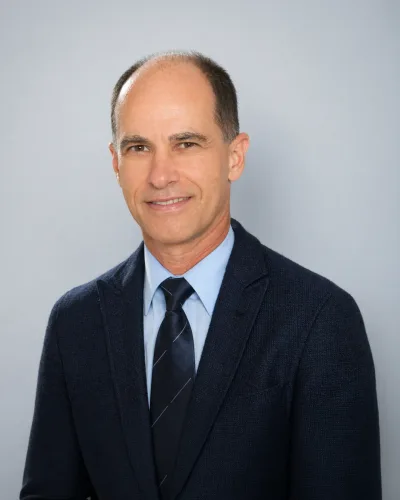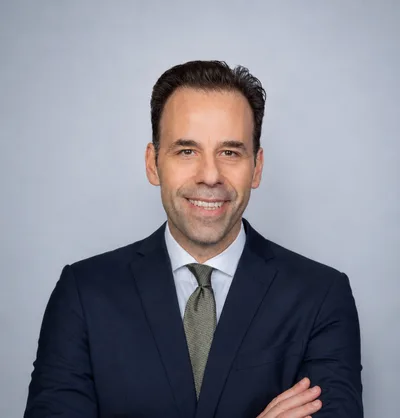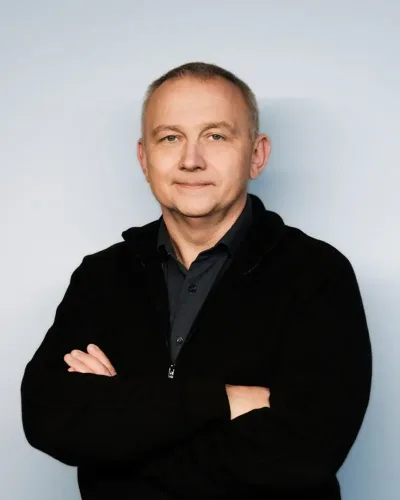
Conversation focused on a topic that is becoming increasingly important in reproductive medicine: how a more personalized understanding of LH activity may influence decision-making in both female and male infertility treatment. With global experts, new clinical frameworks, and emerging evidence now moving closer to daily practice, the discussion was centered not on theory alone, but on what may change in the way specialists think and act in real clinical settings.
Two lectures. Two frameworks. One question at the center: are we making gonadotropin decisions based on biology — or on habit? LH supplementation in women and endocrine phenotyping in men are not new topics. But the evidence base has shifted, and so have the tools available to clinicians. POSEIDON has changed how we think about poor ovarian response. APHRODITE is now changing how we classify male infertility. Both frameworks were presented here by the researchers who created them. This course captures that conversation — not as theory, but as a clinical argument for moving from empirical to phenotype-based decision-making.
Distinguish between measured LH quantity and functional LH bioactivity — and understand why a normal serum result does not guarantee adequate LH action at the follicular level.
Identify the three clinical groups who benefit from LH addition: patients with genetic polymorphisms, patients suppressed by GnRH antagonist or agonist protocols, and women over 35 with declining ovarian reserve.
Use POSEIDON groups 1–4 to classify ovarian response and adapt gonadotropin protocols — including the recognition of LH stagnation as a clinical signal requiring protocol adjustment.
Classify male infertility patients into one of five endocrine phenotypes using FSH, testosterone, and semen analysis — and select the appropriate gonadotropin strategy for each group.
Understand how phenotype-guided hormonal pre-treatment improves sperm retrieval success in non-obstructive azoospermia — based on data from over 600 patients.
Explain the physiological and clinical differences between recombinant LH and HMG, including new 2025–2026 data on euploid blastocyst yield and live birth rates.
Is the LH you measure the same as the LH the follicle actually receives? Serum levels do not capture bioactivity or receptor function — and yet most stimulation decisions are made on a single number. A look at three patient groups where LH supplementation moves the cycle: congenital deficiency, antagonist-induced suppression and the over-35 ovarian profile.

Behind every semen analysis lies a testicle, and behind every testicle lies endocrine regulation. The APHRODITE framework — published in Reproductive Biomedicine Online 2024 — stratifies male infertility into five endocrine phenotypes based on FSH, testosterone and semen, and asks a sharper question: who actually benefits from gonadotropin therapy, and who does not?


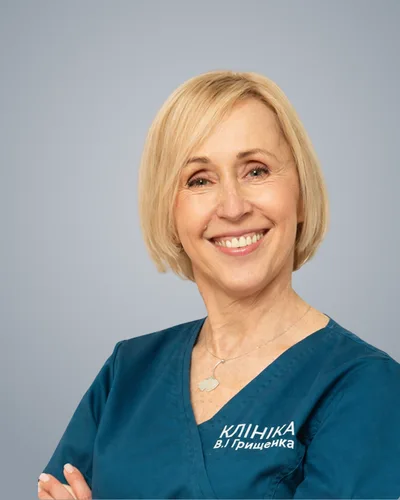
Co-author of the course "LH in reproductive medicine: personalized approaches in female and male infertility."
Professor Sandro Esteves is a board-certified urologist and internationally recognized expert in andrology, male infertility, and reproductive medicine. He is Founder and Medical Director of ANDROFERT and is widely known for his work in azoospermia, sperm retrieval, Micro-TESE, and personalized approaches in male infertility, including as founding member of POSEIDON and lead author of the APHRODITE criteria.
Educational use only. This program is provided by Sona Academy for educational and informational purposes for healthcare professionals and students only. It is not intended for patients or the general public, is not a substitute for professional medical advice, diagnosis or treatment, and is not intended to promote the use of any products.
Funding & editorial independence. The sponsor does not participate in or influence the selection, development or content of the program. The content is developed by the speaker, and the opinions expressed are the speaker's and do not necessarily reflect those of Sona Academy or the sponsor.
Jurisdictional differences. Laws, regulations and ethical standards governing medical practice vary by country, and not all methods or techniques presented may be permissible in every jurisdiction. Users are responsible for ensuring compliance with all laws, regulations, licensing requirements and professional standards applicable in their jurisdiction.
The speakers have declared no relevant conflicts of interest in relation to this presentation.


Tell us which topics matter most to You, which learning formats You prefer, and which speakers You would like to hear from. Complete the short survey and influence future educational initiatives of Sona Academy.