Course content
1
Opening of the school
Why does the Winter School open in spring? A short opening on what makes LH the through-line of the 2026 programme — from receptor biology to pharmacoeconomics — and a quick framing of the day's three sections.
14:42
2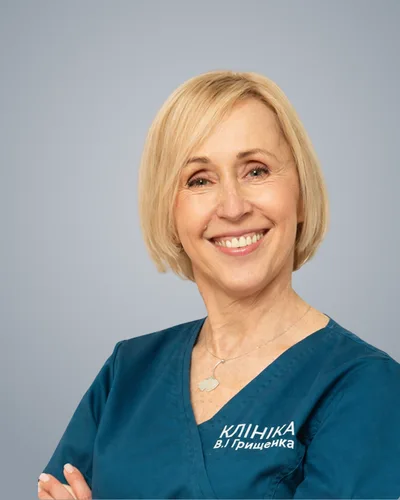 Kseniia Khazhylenko
LH in Ovarian Physiology: From Receptor to Response
Are antral follicles really gonadotrophin-dependent only at one stage — or all the way through? A walk through the LH receptor, the two-cell two-gonadotrophin model and what the 2023 reframing of folliculogenesis means for choosing a stimulation protocol.
26:08
3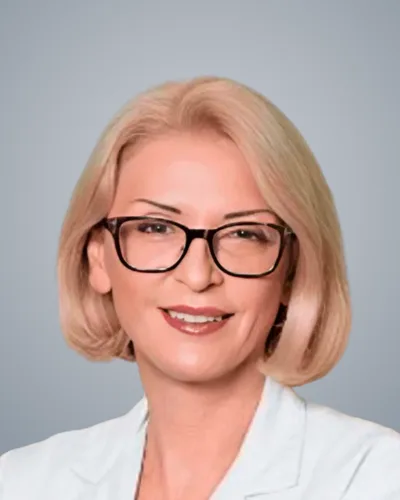 Nataliia Vladykina
Why Genetics in Ovulation Stimulation: Or When the Skis Won’t Glide
Why does one patient respond to FSH alone while another stalls without LH? Polymorphisms of FSHR, LHCGR and ESR — what genetic markers explain stimulation failures, and where genotyping starts paying off in routine practice.
18:11
4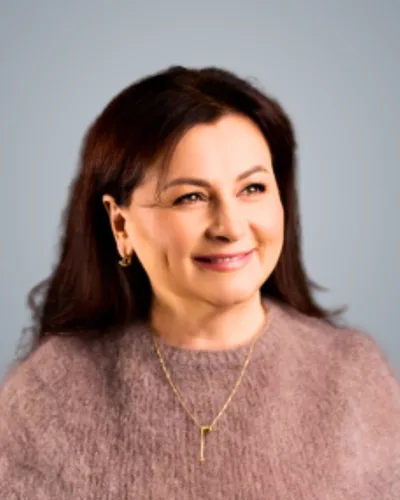 Nataliia Dankovych
PCOS: The Role of LH in Pathogenesis and Treatment
PCOS affects 8-13% of women of reproductive age and drives 70% of anovulatory infertility. A look at the role of elevated LH in PCOS pathogenesis, the 2023 international guideline, the revised Rotterdam criteria — and what a personalised stimulation pathway looks like in 2026.
27:04
5Kseniia Khazhylenko & Nataliia Vladykina & Nataliia Dankovych
Discussion 1: LH, Genetics, PCOS — Q&A
Open Q&A after Section 1. Live exchange on PGD funding under NHSU, how to apply LHCGR genotyping in real cycles, the role of LH in PCOS protocols and where current Order 787 indications break against modern practice.
41:42
6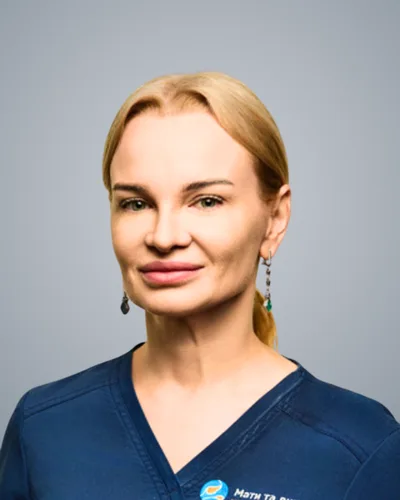 Myroslava Vatsyk
LH Deficiency in Patients of Advanced Reproductive Age: Pathogenesis and Treatment
An 18-oocyte cycle at 40 with a poor maturation rate is no longer surprising. Why advanced reproductive age is not only quantity but quality, what relative LH deficiency does to oocyte competence, and how to read the LH:FSH ratio when planning a stimulation in the over-38 patient.
28:49
7 Olha Romanova
Random-Start Protocols: A New Era in Infertility Treatment
A 35-year-old with normal AMH, normal FSH/LH and 4 years of unexplained infertility. Triple trigger, 19 oocytes retrieved — and 79% immaturity. The talk uses real cases to walk through random-start, DuoStim and the role of LH supplementation when standard stimulation hits a wall.
25:00
8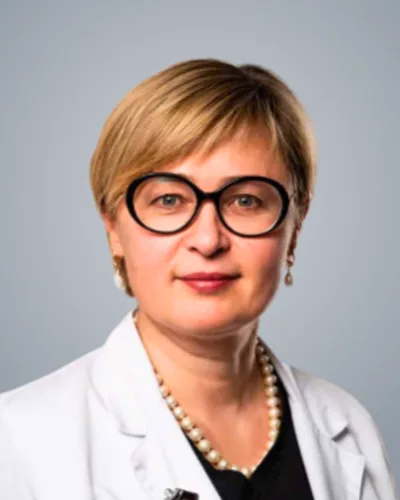 Halyna Strelko
Protocols and Decisions: Trigger Selection and Oocyte Quality
The trigger is one small injection at the end of stimulation — and most of the cycle outcome rides on it. A practical walk through trigger choice (HCG, agonist, dual, double), the Vienna consensus 80-95% oocyte yield ratio, and what each trigger does to oocyte maturation in real protocols.
50:01
9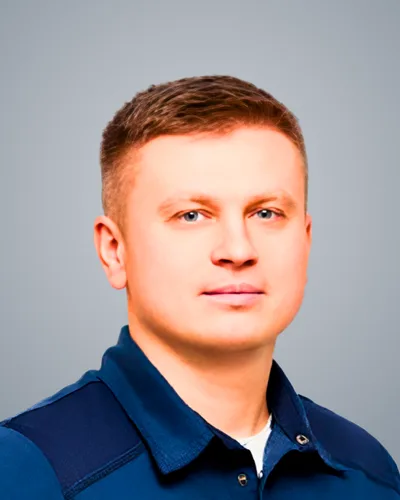 Vitaliy Radko
Clinical Riddles: When LH Is Not an Option but a Necessity
Three buckets of patients: those where LH is non-negotiable, those where it almost is, and those where you can manage without. The talk classifies clinical scenarios — hypogonadotrophic hypogonadism, LH receptor polymorphisms, advanced reproductive age — and gives a decision tree for when recombinant LH actually changes the cycle outcome.
36:48
10Myroslava Vatsyk & Olha Romanova & Halyna Strelko & Vitaliy Radko
Discussion 2: LH Deficiency, Triggers, Protocols — Q&A
Open Q&A after Section 2. Live discussion on antagonist use in random-start with a residual corpus luteum, progesterone monitoring in DuoStim, trigger choice for the dual-stim cycle, and where recombinant LH adds measurable value beyond protocol convention.
38:15
11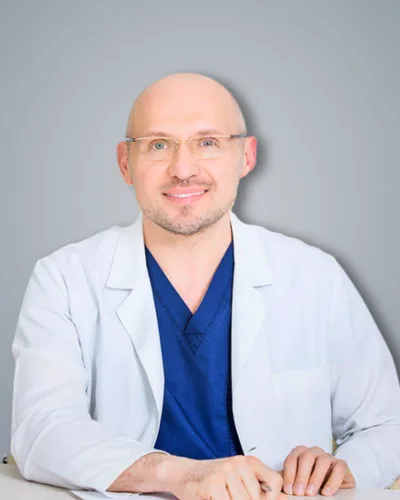 Volodymyr Kotlik
Hormonal Architecture of Frozen Embryo Transfer: Role of LH in HRT and Natural Cycle
Why does the corpus luteum still matter when we transfer in HRT? A walk through 40+ years of LH-progesterone evidence, three studies (two fundamental, one practical) on luteal-phase support, and where the 22+ existing FET protocols separate into corpus-luteum-supported and corpus-luteum-free strategies.
31:58
12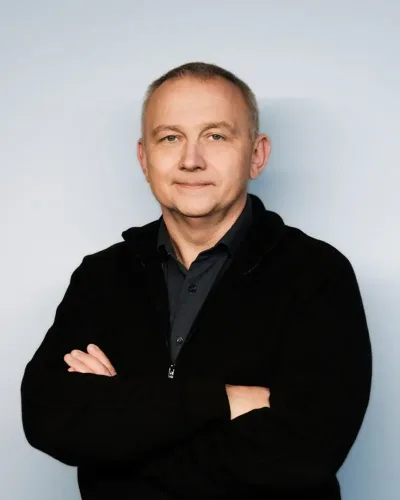 Mykola Gryshchenko
Pharmacoeconomics of Ovulation Stimulation: Rational Choice in ART
We can save money anywhere in an IVF cycle — the real question is what we pay for that. A frank look at the cost structure of stimulation, the low-cost-airline analogy, NHSU reimbursement realities and how to find a defensible balance between price and result without compromising live-birth rate.
26:44



-1.png&w=3840&q=75)
