Reproductive healthEvent
Sona Academy's Winter School of Reproductologist: LH as a key to ART success
22 April 2026

The annual Winter School of Reproductologist gathered specialists in reproductive medicine for a focused professional dialogue on the role of LH in stimulation protocols.
New Horizons in Personalization
This winter, on the initiative of Sona-Pharm, the annual Winter School of Reproductologist once again brought together specialists in reproductive medicine for an in-depth professional conversation around one of the defining questions of modern fertility care.
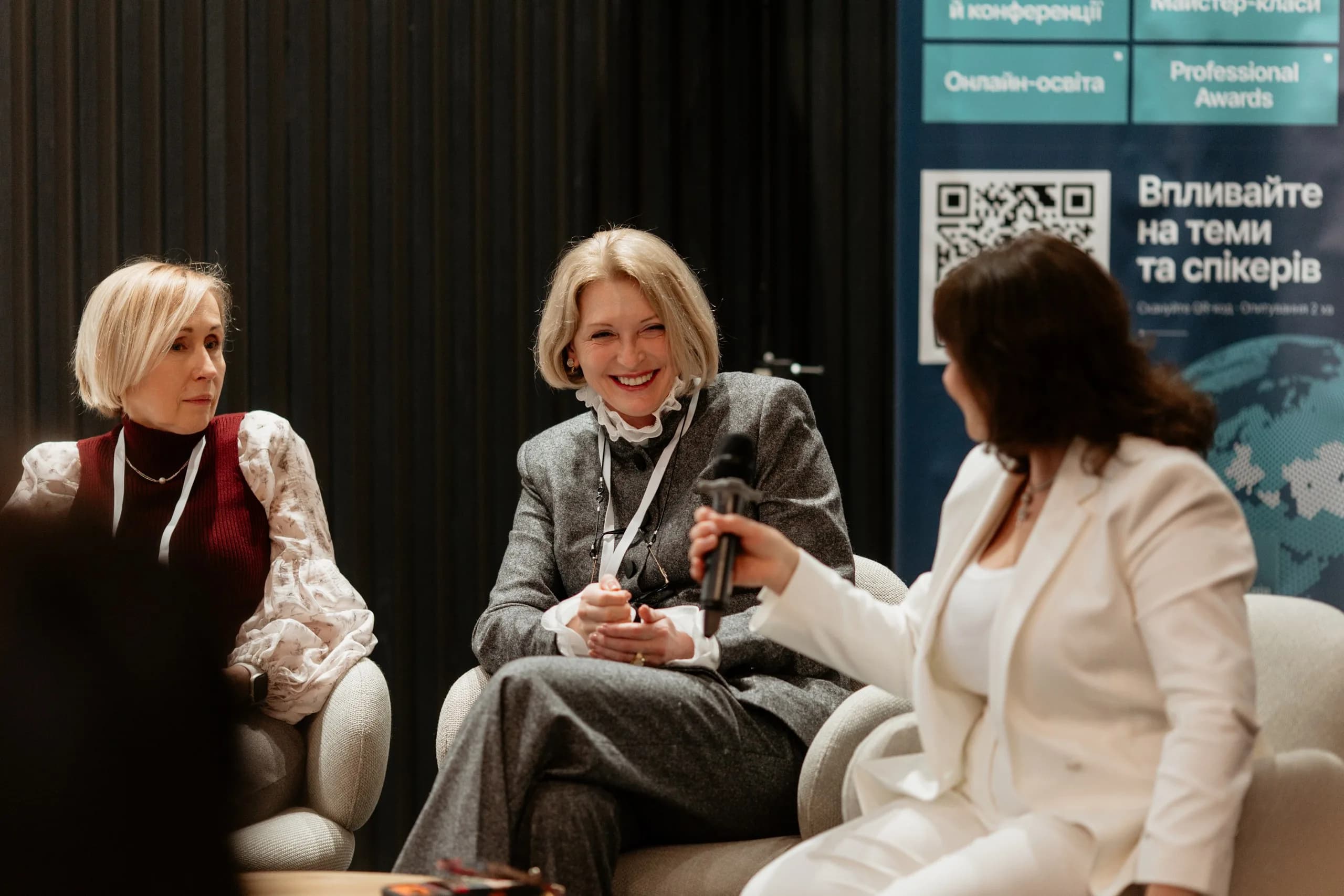
Held together with Sona Academy — part of Sona Group — and the Ukrainian Association of Reproductive Medicine (UARM), the School was devoted to a single theme: “LH as a key to ART success: new horizons of personalization.” It gathered practising clinicians, and among the speakers and guests were medical directors and CEOs of the country's leading reproductive medicine clinics.
What sets a meeting like this apart is that it reaches far beyond promotion or formal lectures. It is a space for genuine professional exchange — grounded in real clinical practice, shaped by live discussion, and enriched by the shared experience of doctors who face the most complex reproductive cases every day.
This year's programme placed LH at its centre and examined it from every angle — from fundamental physiology and receptor-level mechanisms to the clinical dilemmas of different patient groups and the practical choices that follow: trigger selection, random-start and cryo protocols, and pharmacoeconomics.
A special part of the School was given to real clinical cases. The conversation ranged across poor responders, dual trigger, the POSEIDON classification, androgen priming, oncofertility, and even the place of artificial intelligence in reproductive genetics — precisely the kind of dialogue that turns an exchange of expertise into a living community of practice.
Inside the event

We are convinced that after gatherings like this, doctors return to their clinics not only inspired by new ideas, but equipped with practical tools — ones that help improve outcomes, refine the choice of protocol, and make care more efficient without ever compromising its quality. For the professional community, it is one more step toward common standards and closer collaboration in Ukrainian reproductive medicine.


-1.png&w=3840&q=75)