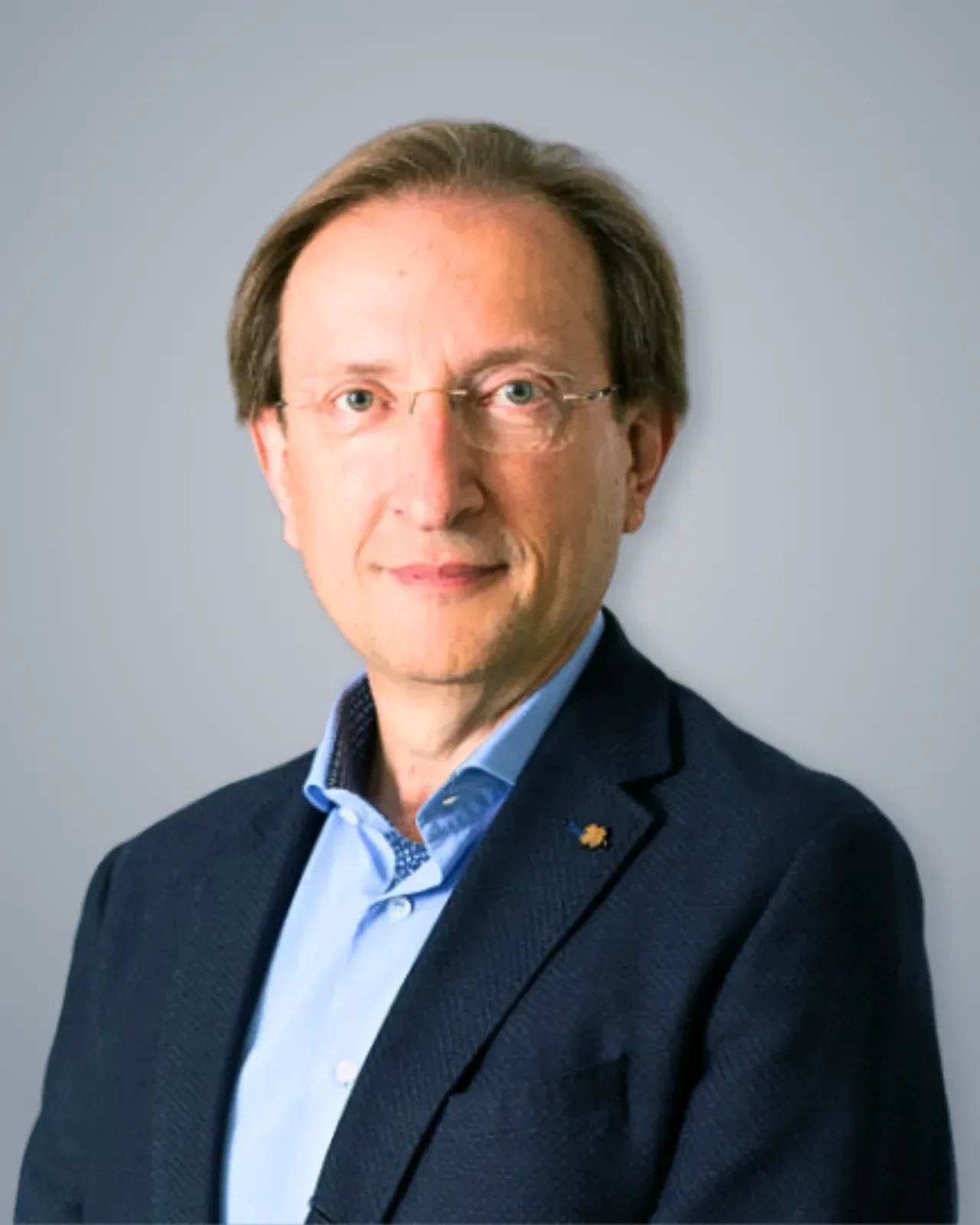
Carlos Simón presents a new embryo-transfer technique, starting from a problem: first-ET-cycle rates remain low, and this — by US data — is a stable, not a chance, picture.
Even with a good embryo and a prepared endometrium, a substantial share of first transfers does not lead to pregnancy. Simón proposes to seek a reserve in the moment of transfer itself.
The central idea is the concept of "direct embryo transfer" (direct ET): delivering the embryo not into the cavity, from which it must find its own place, but more precisely.
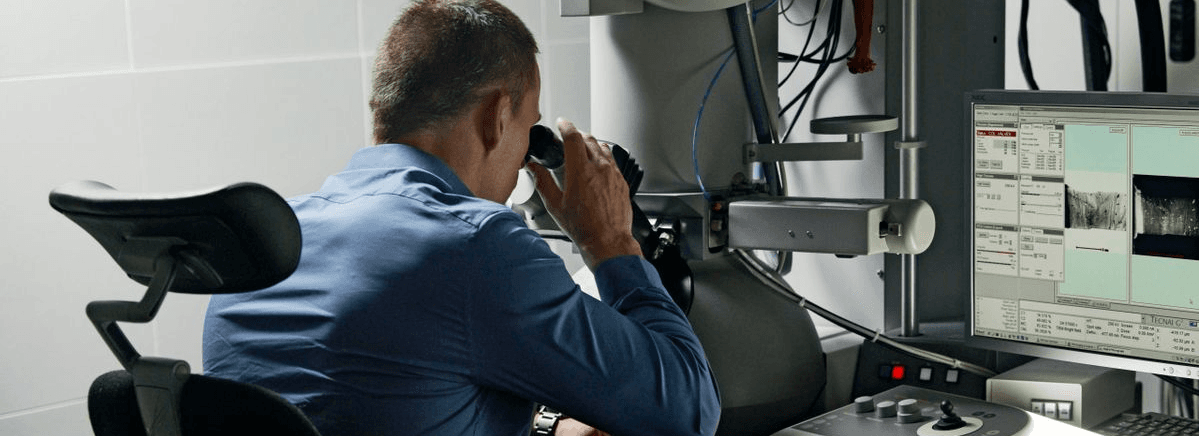
The technological basis is microfluidics: controlled introduction of the embryo directly into the endometrial stroma, intended to raise implantation precision.
This approach changes the usual transfer paradigm: instead of "releasing the embryo into the cavity" — a directed, reproducible delivery to the optimal spot.
In parallel, Simón stresses the role of artificial intelligence in embryo selection: an objective, big-data-based assessment reduces the embryologist's subjectivity.
The combination of "AI selection + precise delivery" is an attempt to improve both which embryo we transfer and how exactly we transfer it.
Simón also speaks of the innovation infrastructure: the Carlos Simón Foundation develops several startups (including Premium Fertility), turning research ideas into clinical products.
Launching clinical trials in two Spanish clinics moves the concept from the lab into testable practice — with real patients and outcome control.

-1.png&w=3840&q=75)