E-learningNews & eventsSpeakersPartners
Sign in
Sign in
Social media
Main pages
  • News & events
  • Speakers
  • Partners
  • Reviews
E-learning
  • Courses
  • Lectures
Corporate website
  • Sona Group

Contacts

  • info@sona-pharm.eu
  • Business days 9:00-17:00 EET
  • +372 505 9699
  • Ahtri 6, Tallinn, 10151, Estonia

Sona Group unites a network of independent pharmaceutical and healthcare companies operating in research, manufacturing and continued medical education.

This website is intended for informational and corporate communication purposes only and is not a substitute for medical advice.

© 2026 Sona Academy®. All rights reserved.

··Site map
  • Privacy Policy
  • Terms of Use
  • Cookie Policy
  • Legal Notice
  • Professional Medical Disclaimer
  • Data Collection and Privacy Disclaimer
Reproductive healthLecture

The paradoxical behavior of oocyte maturity in advanced age: MII loss and GV gain

41 minAudio: UA · RUSubtitles: UA · RU
Player.aboutHeading

Norbert Gleicher's lecture addresses why the familiar logic of scoring oocyte maturity stops working in women of advanced reproductive age and what this changes in IVF strategy. In routine practice the embryologist relies on the share of mature metaphase II (MII) oocytes as the main marker of retrieval quality, while immature germinal vesicle (GV) stage cells are traditionally treated as ballast. The author shows that with age this hierarchy becomes far less clear-cut.

To explain the paradox, the lecture first revisits the basic physiology of oocyte maturation. Nuclear maturation — the transition from prophase I through resumption of meiosis to metaphase II — is normally synchronised with cytoplasmic maturation, which equips the cell with the stores of mRNA, mitochondria and proteins needed for fertilisation and the first divisions. It is the coordination of these two processes, not merely the formal nuclear stage, that determines oocyte competence.

The central thesis is the paradoxical behaviour of oocyte maturity in advanced age. As the ovary ages, the effectiveness of cells retrieved already mature at the MII stage declines: aneuploidy becomes more frequent, spindle abnormalities appear more often, and nuclear and cytoplasmic maturation fall out of step. At the same time, oocytes aspirated immature at the GV stage, when matured in culture, show in a number of observations a relatively rising contribution to the final outcome.

Gleicher discusses the physiological mechanisms of this phenomenon as working hypotheses rather than proven causal links. He considers that some GV oocytes may have been held back in development by features of the follicular environment and stimulation rather than by true immaturity, and that their subsequent in vitro maturation sometimes yields cells with better preserved genomic and cytoplasmic integrity than oocytes that have aged already in the MII state.

The speaker also stresses the limits of interpretation. The point is a shift in relative effectiveness, not a call to abandon MII oocytes; the conclusions concern above all the cohort of older, low-prognosis women, where the absolute number of oocytes is small and the value of each cell is high. The patterns are discussed at the level of a concept and observed trends, without extrapolating single figures to the whole population.

The practical meaning for the clinic lies in reconsidering the attitude toward immature oocytes. In older patients, routine discarding of GV and MI cells may mean losing potentially usable material, while in vitro maturation programmes and careful embryological handling of the immature part of the retrieval gain added value. The lecture raises the question of a possible paradigm shift in IVF for this group — from simply counting mature cells to a finer assessment of competence.

The take-home message is an invitation for the reproductive specialist and embryologist to treat the formal maturity criterion more critically and to factor in the age context when planning the protocol, the retrieval strategy and the laboratory handling of oocytes, so as not to miss chances for patients for whom every single cell is especially precious.

Topics covered
  • Oocyte maturity
  • MII and GV stages
  • Advanced reproductive age
  • In vitro maturation
  • IVF paradigm shift
Start learning
About the course

Why in older patients "immature" GV-stage oocytes may matter more than formally mature MII cells.

What you will learn

Distinguish nuclear and cytoplasmic maturity

The viewer will be able to explain why oocyte competence depends on the coordination of nuclear and cytoplasmic maturation, not only on the MII stage.

Understand the MII and GV paradox

The clinician will be able to describe how MII oocyte effectiveness declines with age while the relative contribution of matured GV cells rises.

Appraise the proposed mechanisms

The participant will be able to discuss the suggested physiological mechanisms of the phenomenon as hypotheses rather than proven causal links.

Rethink strategy in older patients

The specialist will be able to justify a more careful approach to immature oocytes and the role of in vitro maturation in the low-prognosis group.

Who is this course for
  • Reproductive specialists
  • Clinical embryologists
  • ART physicians
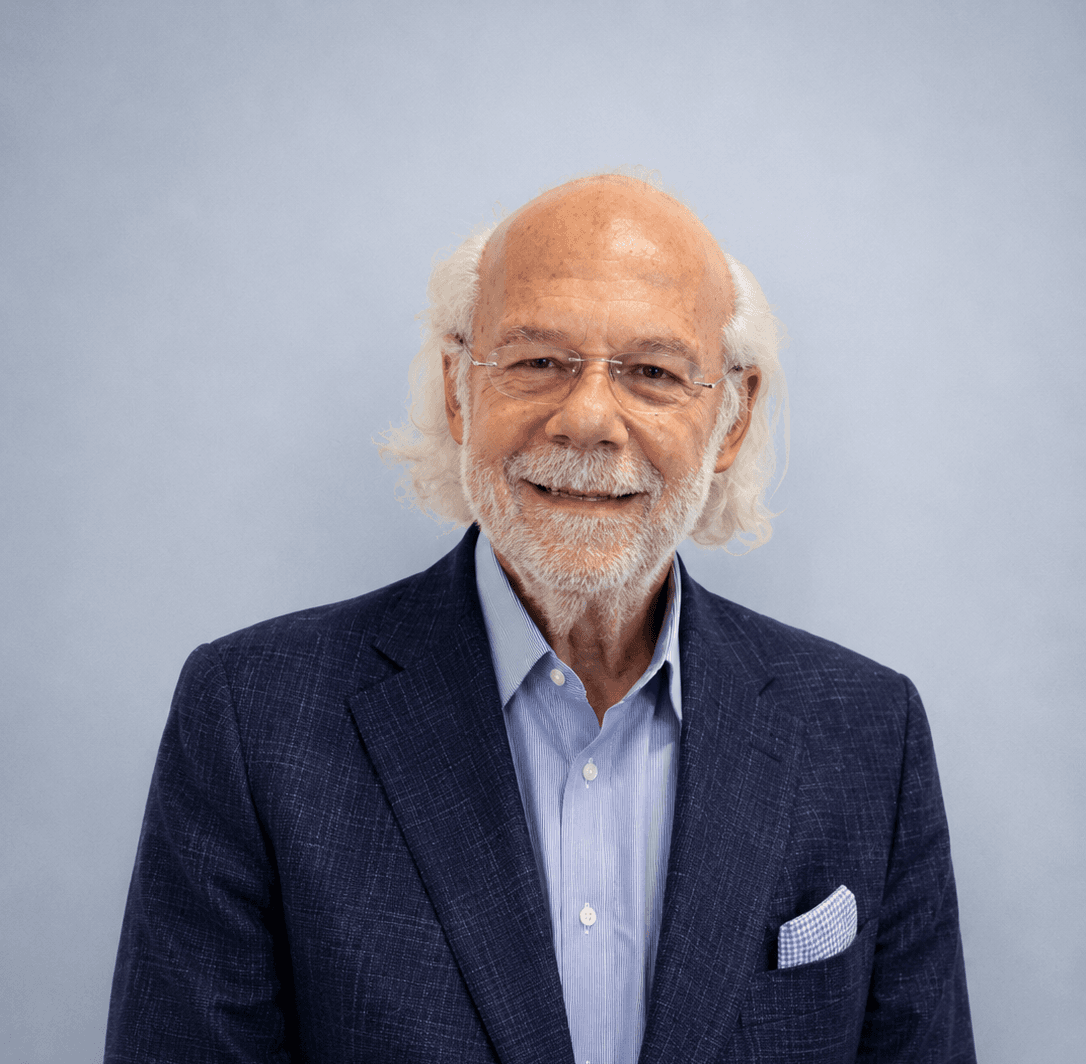
Norbert Gleicher

Norbert Gleicher

Founder, President and Medical Director of the Center for Human Reproduction (CHR) in New York and President of the Foundation for Reproductive Medicine. A pioneer of reproductive endocrinology, he performed the world's first successful transvaginal egg retrieval (The Lancet, 1983) and has authored hundreds of scientific articles. Internationally recognized for his work on ovarian aging, ovarian reserve and individualized IVF.

Author of the lecture "The paradoxical behavior of oocyte maturity in advanced age: MII loss and GV gain"

Continue your learning

View all programs
View all programs
Sona-Pharm grant award • Ceremony — July 2027, Stockholm

Fertility Award 2027 • Applications open 1 Feb 2027

295d 17hReproductive healthLecture

Fertility Award 2027

A Sona-Pharm grant award for specialists in infertility treatment. Applications open on 1 February 2027. Ceremony — July 2027, Stockholm, during the ESHRE meeting.

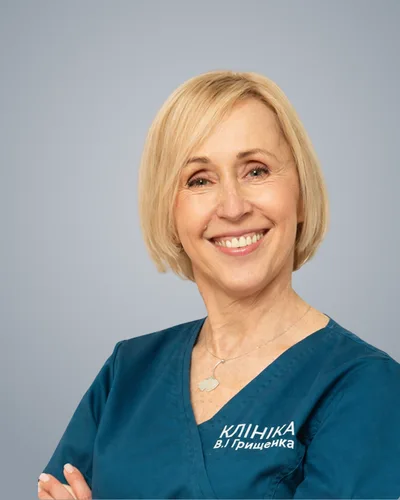
Mykola Gryshchenko
Mykola Gryshchenko
UARM Symposium • 22.05.2026

Lecture • Immunotropic therapy in reproductive medicine

Reproductive healthLecture

Immunotropic therapy in reproductive medicine

Targeted, biomarker-guided immunotropic therapy in reproductive medicine. A lecture by Kseniia Khazhylenko at the UARM Symposium 2026.

Audio: UASubtitles: UA32 min

Kseniia Khazhylenko
Kseniia Khazhylenko
UARM 2026 Precongress Course

Masterclass • Ovarian stimulation and endometrial preparation

Reproductive healthMasterclass

Secrets of ovarian stimulation and endometrial preparation in ART

A practical UARM 2026 masterclass on controlled ovarian stimulation, complication prevention and endometrial preparation for frozen embryo transfer. Six lectures and two discussions from leading Ukrainian reproductologists.

Audio: UA3h 18m

Halyna StrelkoNataliia Vladykina+3
Halyna Strelko & 4 others