E-learningNews & eventsSpeakersPartners
Sign in
Sign in
Social media
Main pages
  • News & events
  • Speakers
  • Partners
  • Reviews
E-learning
  • Courses
  • Lectures
Corporate website
  • Sona Group

Contacts

  • info@sona-pharm.eu
  • Business days 9:00-17:00 EET
  • +372 505 9699
  • Ahtri 6, Tallinn, 10151, Estonia

Sona Group unites a network of independent pharmaceutical and healthcare companies operating in research, manufacturing and continued medical education.

This website is intended for informational and corporate communication purposes only and is not a substitute for medical advice.

© 2026 Sona Academy®. All rights reserved.

··Site map
  • Privacy Policy
  • Terms of Use
  • Cookie Policy
  • Legal Notice
  • Professional Medical Disclaimer
  • Data Collection and Privacy Disclaimer

Everything you need to know about this course

Jump to:
About courseYou'll learnFor whoContentExperts
Jump to:
About courseYou'll learnFor whoContentExperts
Start learning
About the course

Why do standard FSH doses give different results? How does genetics help predict ovarian response and choose a stimulation protocol? When are «empty follicles» not an error but a diagnosis? Two speakers from leading Kyiv clinics — Nataliia Vladykina (LITA) and Vitalii Radko (Mother and Child MC) — walk through pharmacogenomics in ART, from FSH/LH receptor and ESR1 polymorphisms to WEE2 and ZP1/2/3 genes, from the Delphi consensus to AI prognostic models and real clinical cases.

Vivere et Discere is a discussion club for reproductive medicine specialists by SONA Pharm and SONA Academy, built around live debate driven by questions from the audience and chat. This 15 April 2026 episode covers pharmacogenomics and the role of genetic polymorphisms in choosing individualised ART protocols. The first two chapters are full-length lectures. Nataliia Vladykina (Medical Director of LITA clinic, geneticist) walks through FSH receptor pharmacogenomics: the Asn680Ser and position-307 polymorphisms, the FOI index and the POSEIDON 1-2 classification, the Alviggi/Conforti Delphi consensus, FSH+LH receptor synergy from GenOx 2025, Belen Lledó's AI prediction model, and the rationale for urinary FSH in the Ser-Ser genotype. Vitalii Radko, MD PhD (Mother and Child MC), broadens the picture: the 180-gene infertility panel, ESR1/ESR2 polymorphisms in oocyte donors (Bernabeu Institute), ESR2 rs4986938 as a predictor of idiopathic thin endometrium, poor blastulation in patients under 40 and calcium ionophore for a selected cohort, the WEE2 gene as a cause of total ICSI fertilisation failure, true empty follicle syndrome via LHCGR and zona pellucida proteins ZP1-3. The course closes with an open discussion: progesterone receptors and endometrial receptivity, methylfolates vs folic acid, AI in pharmacogenomics, CRISPR therapy, the limits of routine genetic panels, LH receptor expression in the endometrium, and embryoids as a model for studying gastrulation.

What you will learn

Understand the role of pharmacogenomics in selecting individualized ART stimulation protocols

Translate the patient's genetic profile into a tailored stimulation strategy instead of a uniform average dose.

Interpret FSH receptor polymorphisms to adjust dose and choose the type of gonadotropin

Choose between urinary and recombinant FSH and adjust the starting dose according to the genetic profile.

Apply POSEIDON 1-2 and the FOI index in predicting ovarian response

Combine clinical classification with genetic data to select the stimulation strategy and decide on LH supplementation.

Recognize the genetic causes of ICSI failure and empty follicle syndrome

Use expanded genetic testing to distinguish biological failure from clinical error and choose the appropriate strategy.

Take ESR1/ESR2 polymorphisms into account when planning embryo transfer and managing the endometrium

Identify patients with a genetic risk of thin endometrium and adjust transfer and luteal support strategies accordingly.

Who is this course for
  • Reproductive medicine specialists with active clinical practice
  • Gynecologist-endocrinologists managing patients with poor or unexpected ovarian response
  • Embryologists interested in pharmacogenomics of fertilization and embryo quality
  • Medical geneticists working with patients in ART programs

Course content

1

Opening

Welcome introduction from both speakers of the discussion club. Nataliia Vladykina (LITA) and Vitalii Radko (Mother and Child MC) frame the discussion: why genetics and pharmacogenomics are becoming a tool for working with complex ART patients, where standard protocols do not deliver the expected result. Preview of the structure: two lectures with each speaker's perspective, followed by a joint discussion answering questions from the chat.

2:27
2
Pharmacogenomics in Reproductive Medicine: From Genetic Code to Outcome

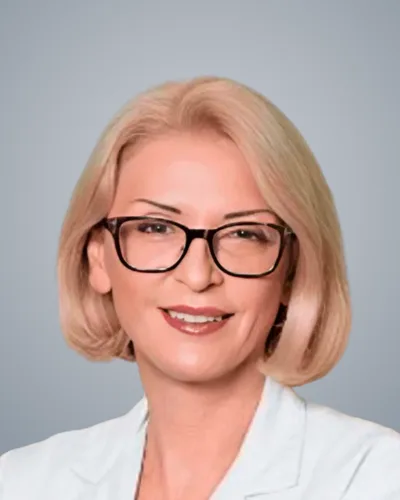
Lecture by Nataliia Vladykina, Medical Director of LITA clinic, reproductive medicine specialist and geneticist (Kyiv), on pharmacogenomics in ovarian stimulation. Why patients with a normal AMH and antral follicle count give a sub-optimal response and how to predict it: FSH receptor polymorphisms (Asn680Ser, position 307), the FOI index, the POSEIDON 1-2 classification, the Alviggi/Conforti Delphi consensus, FSH+LH receptor synergy from GenOx 2025, ethnic differences, Belen Lledó's AI prediction model and the rationale for urinary FSH in Ser-Ser carriers.

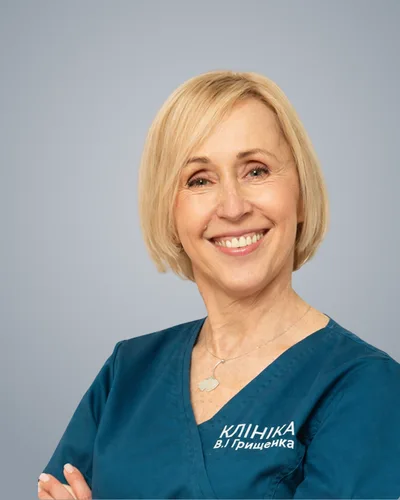
Nataliia Vladykina
Nataliia Vladykina
23:15
3

Pharmacogenomics of Embryology and Endometrium in ART

An expanded lecture by Vitalii Radko, MD PhD, Head of Department at Mother and Child Medical Centre (Kyiv), on applying pharmacogenomics beyond FSH/LH receptors — in complex ART clinical cases. The 180-gene infertility panel, ESR1/ESR2 polymorphisms in oocyte donors (Belen Lledó, Bernabeu Institute), the ESR2 rs4986938 marker for idiopathic thin endometrium, poor blastulation in patients under 40 and calcium ionophore in a selected cohort, the WEE2 gene — recurrent ICSI fertilisation failures, true empty follicle syndrome via LHCGR and zona pellucida proteins ZP1-3.

Vitaliy Radko
Vitaliy Radko
36:13
4

Discussion

A full Q&A discussion with both speakers and the audience. Progesterone receptor polymorphisms and endometrial receptivity, methylfolates vs folic acid (marketing or real benefit), AI in pharmacogenomics and prescribing by phenotype + genotype, whether the final outcome can be predicted from genetics, CRISPR therapy (the 2025 success case in a child with a liver enzyme disorder), when to order polymorphism testing, the limits of routine panels, LH receptor expression in the endometrium, and embryoids as a gastrulation model.

48:49
Nataliia Vladykina

Nataliia Vladykina

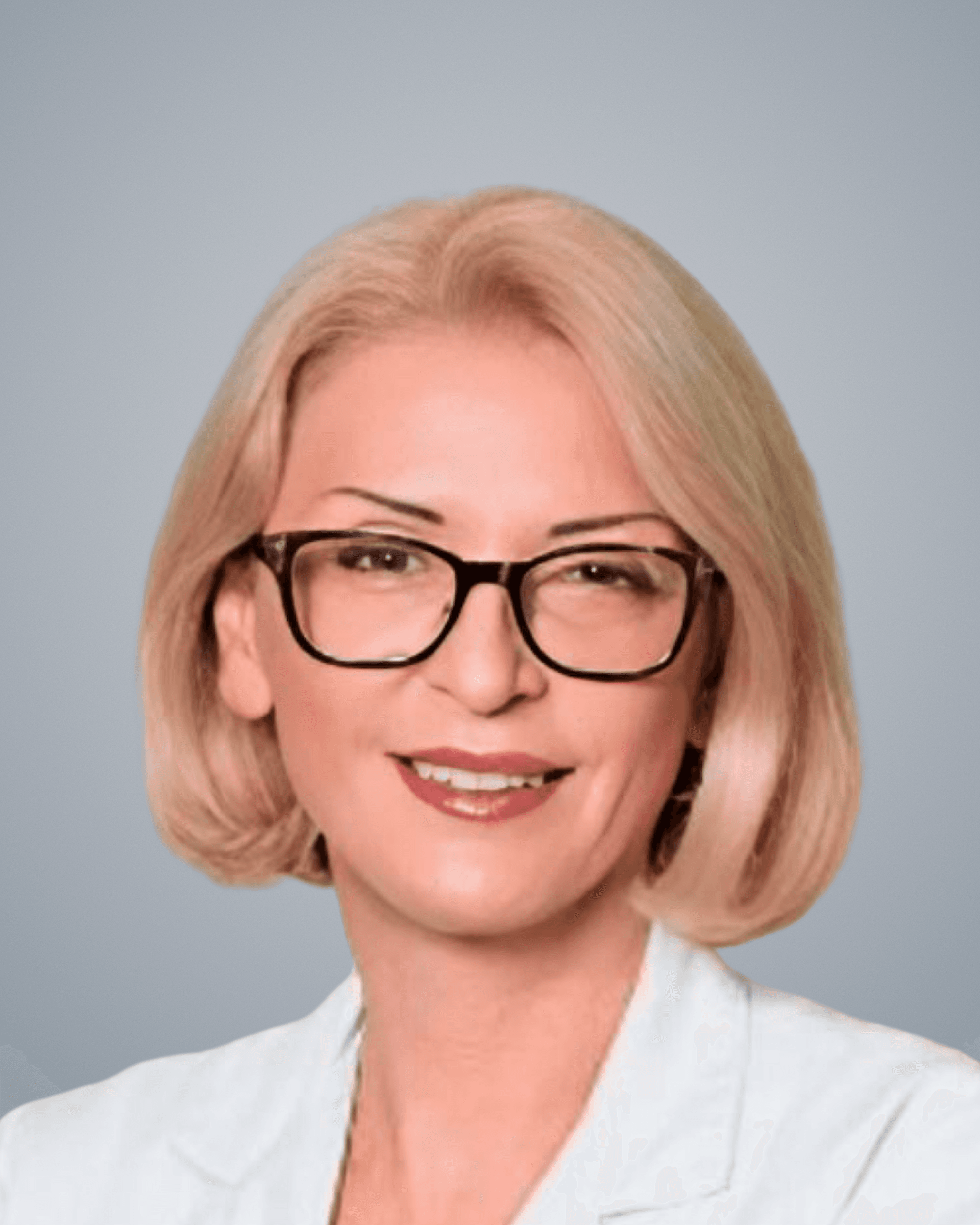
Co-author of the course "Gene mutations and polymorphisms — a path to personalised treatment protocols."

Medical Director of the LITA reproductive clinic in Kyiv. Specialist in reproductive medicine, obstetrician-gynecologist and medical geneticist.

Legal & disclosures

Disclaimer

Educational use only. This program is provided by Sona Academy for educational and informational purposes for healthcare professionals and students only. It is not intended for patients or the general public, is not a substitute for professional medical advice, diagnosis or treatment, and is not intended to promote the use of any products.

Funding & editorial independence. The sponsor does not participate in or influence the selection, development or content of the program. The content is developed by the speaker, and the opinions expressed are the speaker's and do not necessarily reflect those of Sona Academy or the sponsor.

Jurisdictional differences. Laws, regulations and ethical standards governing medical practice vary by country, and not all methods or techniques presented may be permissible in every jurisdiction. Users are responsible for ensuring compliance with all laws, regulations, licensing requirements and professional standards applicable in their jurisdiction.

Conflict of interest

The speakers have declared no relevant conflicts of interest in relation to this presentation.

Influence topics and speakers

Tell us which topics matter most to You, which learning formats You prefer, and which speakers You would like to hear from. Complete the short survey and influence future educational initiatives of Sona Academy.

Take the survey

Influence topics and speakers

Tell us which topics matter most to You, which learning formats You prefer, and which speakers You would like to hear from. Complete the short survey and influence future educational initiatives of Sona Academy.

Take the survey

Continue your learning

View all programs
View all programs
Gene mutations and polymorphisms — a path to personalised treatment protocols. · 1h 51m
Start learning
Reproductive healthDiscussion club

Gene mutations and polymorphisms — a path to personalised treatment protocols.

1h 51mAudio: UASubtitles: EN · UA · RU
Start learning
UARM 2026 Masterclass

Secrets of Ovarian Stimulation and Embryo Transfer in ART: from A to Z

Reproductive healthMasterclass

Secrets of Ovarian Stimulation and Embryo Transfer in ART: from A to Z

A practical UARM 2026 masterclass on controlled ovarian stimulation, complication prevention and endometrial preparation for frozen embryo transfer. Six lectures and two discussions from leading Ukrainian reproductologists.

Audio: UA

Halyna StrelkoNataliia Vladykina+3
Halyna Strelko & 4 others
Summer School of Reproductologist 2026 London

Precision Strategies in Infertility Treatment

Reproductive healthCourse

Precision Strategies in Infertility Treatment

International scientific symposium organised by Sona Pharm and Sona Academy at the Summer School of Reproductologist in London, 8 July 2026. Hybrid format — in person at Holiday Inn London – Bloomsbury and online recorded. Six precision-focused lectures on LH biology, genetics of ovarian response, protocol optimisation, POSEIDON and APHRODITE — with hot discussion after each block.

Audio: MultiSubtitles: EN · RU · UA4h 52m

Antonio La MarcaBelén Lledó+4
Antonio La Marca & 5 others
Vivere et Discere | 10.09.2025

Luteal phase optimization

Reproductive healthLecture

Luteal phase optimization in ART.

Sona Pharm webinar for IVF specialists, 10 September 2025. Speaker: Professor Peter Humaidan.

Audio: MultiSubtitles: EN · UA · RU53 min

Peter Humaidan
Peter Humaidan