Norbert Gleicher's lecture addresses why, and in which clinical situations, androgens become part of the preparation of patients with a poor ovarian response to stimulation. The point is not hormone replacement, but a pharmacological attempt to act on the pool of growing follicles before the protocol even begins, and in doing so to improve both the number and the quality of the oocytes retrieved.
The starting point is the physiological role of androgens in early folliculogenesis. Testosterone and its precursors take part in the transition of primordial and preantral follicles toward gonadotropin-sensitive stages, increase the expression of FSH receptors in granulosa cells, and amplify the local response to stimulation. It is on this mechanism that the hypothesis rests: a temporary rise in the intraovarian androgen concentration may enlarge the antral follicle cohort in women with a diminished reserve.
The speaker examines the two principal approaches to androgen priming — dehydroepiandrosterone (DHEA) given as a prohormone, and transdermal testosterone. He stresses that the evidence for both strategies remains contradictory: some studies show a gain in the number of antral follicles and oocytes, while others fail to confirm any meaningful effect on live birth rates. This heterogeneity reflects differences in patient selection, dosing, priming duration, and in how the very concept of a poor responder is defined.
Particular attention is paid to exactly whom androgen priming is meant for. The classic candidate is a patient with a diminished ovarian reserve (low AMH and antral follicle count), including within the POSEIDON groups. Yet the qualifier and others in the title is deliberate: the lecture also considers using androgens beyond the narrow poor-responder group, where the evidence base is even more limited and calls for cautious interpretation.
The presenter openly declares a conflict of interest connected with patented developments in the field of androgen priming. This point is placed in a separate block on purpose: it lets the audience weigh the data presented against an institutional position and is a reminder that clinical decisions should rest on the body of independent evidence rather than on any single source.
The practical dimension of the lecture is the real-world uptake of androgens in IVF clinics around the world. Despite the contradictory evidence base, DHEA and testosterone are widely used in everyday practice, which reflects the gap between the strict criteria of randomized trials and the clinician's need to offer something to a patient whose options for standard stimulation are exhausted.
The practical takeaway for the clinic is to treat androgen priming as a justified but not universal option: to use it in carefully selected patients with a diminished reserve, to set realistic expectations in advance, to document the dose and duration of priming, and to judge the effect by the number and maturity of the oocytes obtained rather than by a subjective impression that the response has improved.
Why add androgens before stimulation in poor responders — the mechanism, the contradictory data, and how IVF clinics actually use them.
The viewer will be able to explain how androgens act on early folliculogenesis and FSH receptor expression, grounding the rationale for androgen priming.
The viewer will be able to distinguish the two approaches to androgen priming and critically appraise the contradictory evidence base for each.
The viewer will be able to identify patients with diminished reserve, including within POSEIDON, for whom androgen priming may be justified.
The viewer will be able to interpret the data in light of a declared conflict of interest and the real-world use of androgens in IVF clinics.
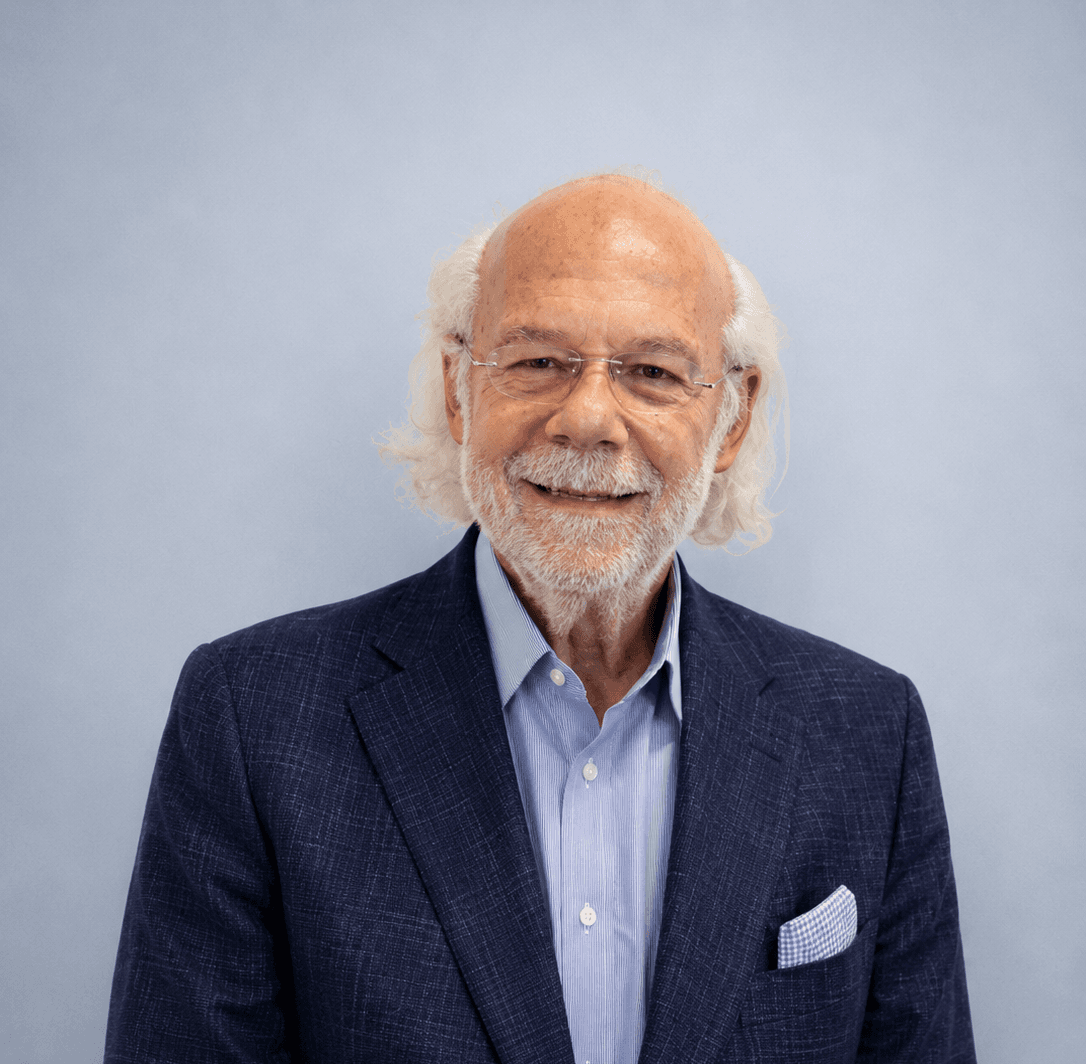
Founder, President and Medical Director of the Center for Human Reproduction (CHR) in New York and President of the Foundation for Reproductive Medicine. A pioneer of reproductive endocrinology, he performed the world's first successful transvaginal egg retrieval (The Lancet, 1983) and has authored hundreds of scientific articles. Internationally recognized for his work on ovarian aging, ovarian reserve and individualized IVF.
Author of the lecture "Androgens in the management of poor responders (and others)"
Patients arrive at the clinic already having consulted ChatGPT, and regulators are reviewing the first AI ‘doctors’. What in artificial intelligence already works in reproductive medicine — from assistant avatars to embryo assessment and stimulation personalisation? A live discussion on three levels — strategy, service and clinic — with practical cases and a panel Q&A.


A Sona-Pharm grant award for specialists in infertility treatment. Applications open on 1 February 2027. Ceremony — July 2027, Stockholm, during the ESHRE meeting.

Targeted, biomarker-guided immunotropic therapy in reproductive medicine. A lecture by Kseniia Khazhylenko at the UARM Symposium 2026.
Audio: UASubtitles: UA32 min