E-learningNews & eventsSpeakersPartners
Sign in
Sign in
Social media
Main pages
  • News & events
  • Speakers
  • Partners
  • Reviews
E-learning
  • Courses
  • Lectures
Corporate website
  • Sona Group

Contacts

  • info@sona-pharm.eu
  • Business days 9:00-17:00 EET
  • +372 505 9699
  • Ahtri 6, Tallinn, 10151, Estonia

Sona Group unites a network of independent pharmaceutical and healthcare companies operating in research, manufacturing and continued medical education.

This website is intended for informational and corporate communication purposes only and is not a substitute for medical advice.

© 2026 Sona Academy®. All rights reserved.

··Site map
  • Privacy Policy
  • Terms of Use
  • Cookie Policy
  • Legal Notice
  • Professional Medical Disclaimer
  • Data Collection and Privacy Disclaimer
Reproductive healthLecture

Modern approaches to male infertility under the APHRODITE criteria lens

42 minAudio: EN · UA · RUSubtitles: EN · RU · UA
Start learning
About the lecture

Sandro Esteves presents APHRODITE as the male counterpart to POSEIDON — a system for stratifying the male factor that goes beyond the familiar semen analysis.

The opening thesis is blunt and practical: "Don't label your patient as having male infertility based on the semen analysis alone — add hormonal stratification." The semen analysis describes the result but not the cause, and without a hormonal picture a substantial share of treatable patients is missed.

The APHRODITE criteria sort men into groups by hormonal and clinical profile; the most severe — APHRODITE-4 — is azoospermia, the hardest category, where surgical sperm retrieval is at stake.

The key intervention is hormonal priming (hCG ± FSH) before surgical sperm retrieval. The point is to restore the intratesticular androgen milieu and support spermatogenesis, improving the odds of finding viable cells during surgery.

The headline results: success above 60% overall and about 45% in the APHRODITE-4 (azoospermia) group. For a category once considered almost hopeless, this fundamentally changes the prognosis and how the couple is counselled.

Mechanistically the approach rests on the same axis as female stimulation: LH (via hCG) and FSH drive spermatogenesis, and their judicious use can "awaken" production where the baseline picture looked unpromising.

APHRODITE dovetails with POSEIDON: female and male stratification combine into a single plan for the couple. Optimising only the female protocol while ignoring the male factor risks the outcome of the whole programme.

The practical workflow: do not stop at the semen analysis, assess the hormonal profile, prime with hCG ± FSH before retrieval when indicated, and time the surgery to the response to priming.

Esteves also draws attention to the language of the diagnosis: labelling "male infertility" from a single semen analysis closes the search for a cause, whereas hormonal stratification often reveals reversible conditions. Shifting the lens from "verdict" to "profile" changes both the strategy and the conversation with the couple.

The practical conclusion echoes the female half of the school: where a couple was once managed along two parallel tracks, APHRODITE and POSEIDON offer a single plan. Coordinated work with both partners raises the chance that laboratory and clinical efforts are not spent in vain.

The takeaway: the male factor is not a verdict from a single test but a stratifiable and often manageable problem; hormonal priming widens the options even in the most severe groups.

Topics covered
  • APHRODITE 5-group framework
  • Hypogonadotropic hypogonadism (group 1)
  • Idiopathic oligozoospermia (groups 2-3)
  • Non-obstructive azoospermia (group 4)
  • Pre-micro-TESE gonadotropin therapy
About the course

Behind every semen analysis lies a testicle, and behind every testicle lies endocrine regulation. APHRODITE — published in Reproductive Biomedicine Online 2024 — stratifies male infertility into five endocrine phenotypes and asks who actually benefits from gonadotropin therapy, and who does not.

Sandro Esteves

Sandro Esteves

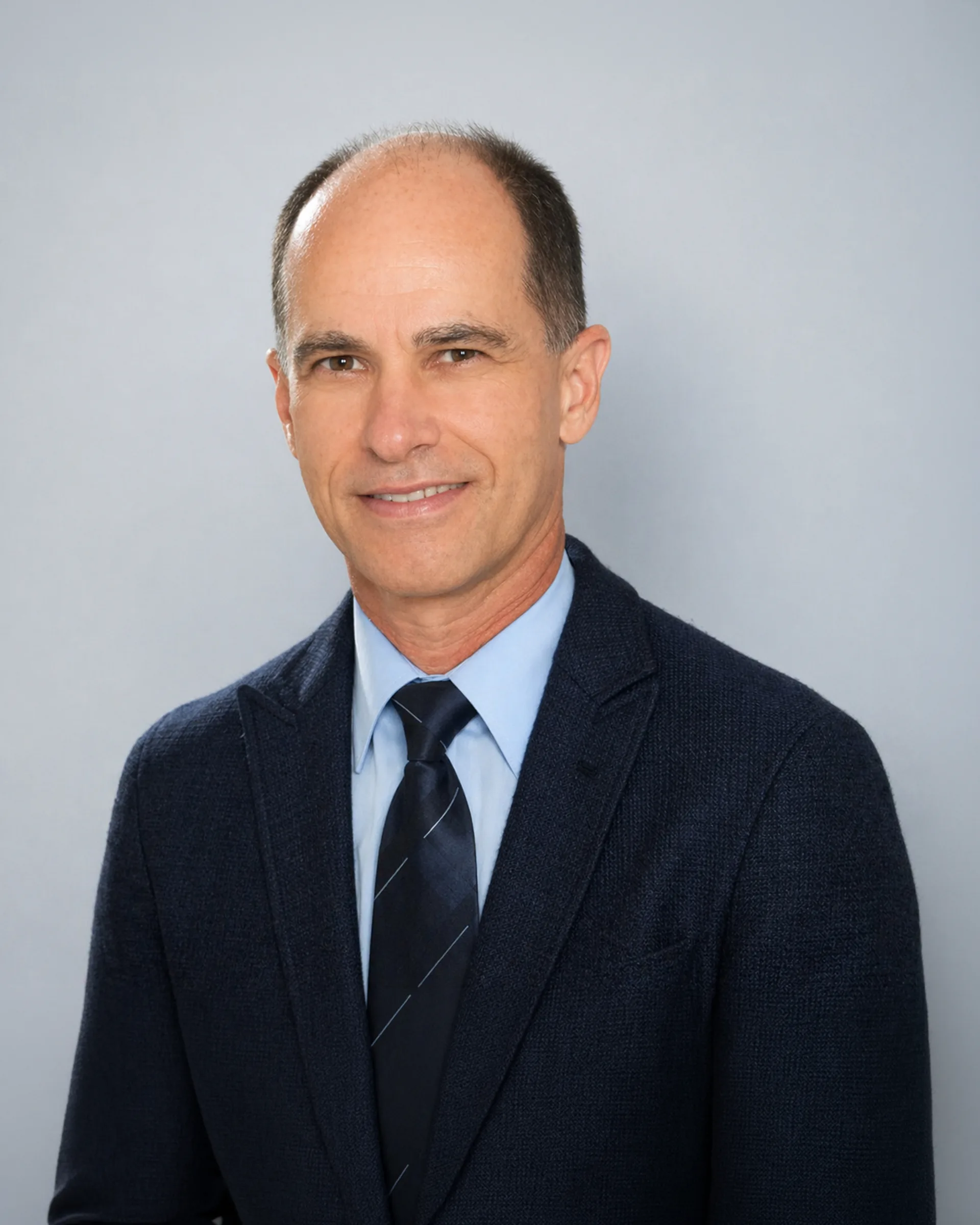
Professor Sandro Esteves is a board-certified urologist and internationally recognized expert in andrology, male infertility, and reproductive medicine. He is Founder and Medical Director of ANDROFERT and is widely known for his work in azoospermia, sperm retrieval, Micro-TESE, and personalized approaches in male infertility, including as founding member of POSEIDON and lead author of the APHRODITE criteria.

Author of the lecture "Modern approaches to male infertility under the APHRODITE criteria lens"

Continue your learning

View all programs
View all programs
Sona Academy Online Webinar
Webinar • AI in Reproductive Medicine
30d 19hReproductive healthLecture

AI in Reproductive Medicine

Patients arrive at the clinic already having consulted ChatGPT, and regulators are reviewing the first AI ‘doctors’. What in artificial intelligence already works in reproductive medicine — from assistant avatars to embryo assessment and stimulation personalisation? A live discussion on three levels — strategy, service and clinic — with practical cases and a panel Q&A.

Joaquim PintóChristos Venetis
Joaquim Pintó & Christos Venetis
Sona-Pharm grant award • Ceremony — July 2027, Stockholm
Fertility Award 2027 • Applications open 1 Feb 2027
266d 12hReproductive healthLecture

Fertility Award 2027

A Sona-Pharm grant award for specialists in infertility treatment. Applications open on 1 February 2027. Ceremony — July 2027, Stockholm, during the ESHRE meeting.

Mykola Gryshchenko
Mykola Gryshchenko
UARM Symposium • 22.05.2026
Lecture • Immunotropic therapy in reproductive medicine
Reproductive healthLecture

Immunotropic therapy in reproductive medicine

Targeted, biomarker-guided immunotropic therapy in reproductive medicine. A lecture by Kseniia Khazhylenko at the UARM Symposium 2026.

Audio: UASubtitles: UA32 min

Kseniia Khazhylenko
Kseniia Khazhylenko