Reproductive healthLecture
Ovarian stimulation in ART: does one size fit for all?
29 minAudio: UA · RUSubtitles: UA · RU

About the lecture
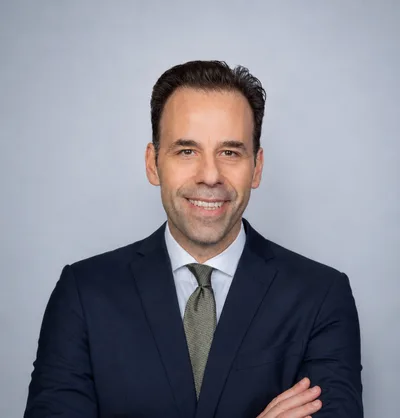
Human M. Fatemi's lecture addresses a central question in contemporary reproductive medicine: is there a universal ovarian stimulation protocol equally suited to every patient? The speaker argues that the “one size fits all” concept now looks outdated and does not survive scrutiny in clinical practice, because ovarian response is shaped by a combination of physiological factors rather than by a single parameter such as age or baseline hormone levels.
The reasoning rests on the classical two-cell, two-gonadotropin model of folliculogenesis, in which FSH and LH act in concert on granulosa and theca cells. Individual sensitivity to gonadotropins varies from one patient to another, and it is precisely this variability that explains why the same dose of a drug yields a fundamentally different number and quality of retrieved oocytes in different women.
Particular attention is given to the role of luteinizing hormone. Fatemi examines clinical situations in which a cycle develops sub-optimally because of reduced LH signaling activity, including cases involving polymorphism of the LH receptor. In such settings, adding recombinant LH can “rescue” the cycle by restoring adequate steroidogenic support for growing follicles and improving the synchrony of their maturation.
To support this approach, the speaker draws on the Rangar Maraju study, which randomized doses of recombinant LH. Without dwelling on specific numerical results, he uses this work to illustrate that dosing of LH-containing preparations should be a matter of deliberate titration rather than a single template applied uniformly to every category of patient.
From this follows the practical principle of personalization: before stimulation begins, a multifactorial assessment is needed, incorporating ovarian reserve markers (AMH, antral follicle count), age, the history of previous cycles and, where feasible, pharmacogenetic features. Such an evaluation makes it possible to identify in advance the patients for whom baseline FSH stimulation is insufficient and who would benefit from added LH activity.


-1.png&w=3840&q=75)