E-learningNews & eventsSpeakersPartners
Sign in
Sign in
Social media
Main pages
  • News & events
  • Speakers
  • Partners
  • Reviews
E-learning
  • Courses
  • Lectures
Corporate website
  • Sona Group

Contacts

  • info@sona-pharm.eu
  • Business days 9:00-17:00 EET
  • +372 505 9699
  • Ahtri 6, Tallinn, 10151, Estonia

Sona Group unites a network of independent pharmaceutical and healthcare companies operating in research, manufacturing and continued medical education.

This website is intended for informational and corporate communication purposes only and is not a substitute for medical advice.

© 2026 Sona Academy®. All rights reserved.

··Site map
  • Privacy Policy
  • Terms of Use
  • Cookie Policy
  • Legal Notice
  • Professional Medical Disclaimer
  • Data Collection and Privacy Disclaimer
  1. Home
  2. /
  3. All courses
  4. /
  5. Endometrial preparation, receptivity and emerging tech in IVF.
  6. /
  7. Endometrial receptivity: from biosensor to clinical practice
Reproductive healthLecture

Endometrial receptivity: from biosensor to clinical practice

Receptive or non-receptive? A continuum-based view of the endometrium as an active biosensor that selects against poor-quality embryos. Why the classical 'all in the egg' narrative misses recurrent implantation failure — and how a new diagnostic toolbox is taking shape.

Nick Macklon
Nick Macklon
Audio: MultiSubtitles: EN · UA · RU39 min
Nick Macklon

Nick Macklon

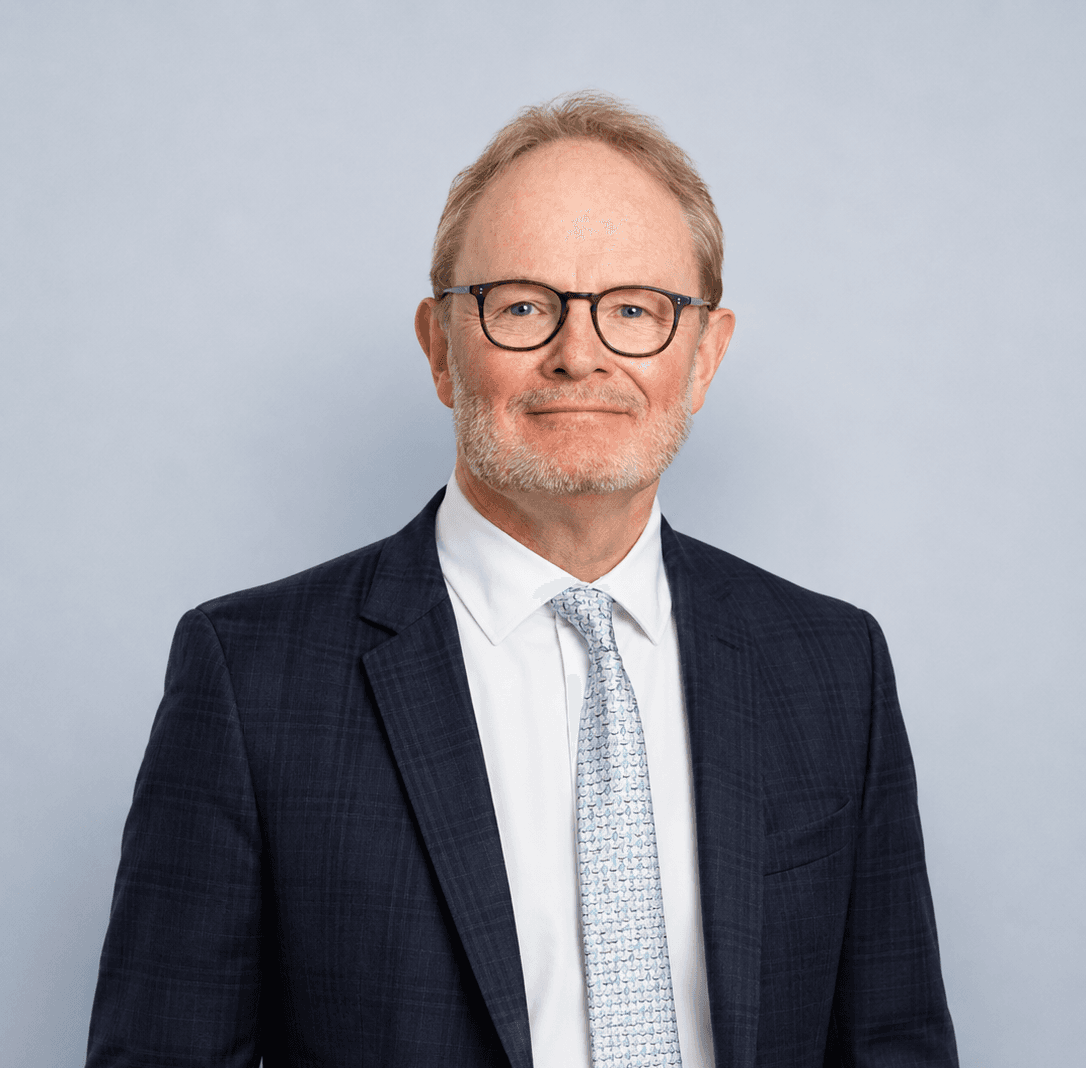
Professor, MD, PhD

Professor and Medical Director of the London Women's Clinic and Co-Chief Editor of Reproductive BioMedicine Online. Internationally recognized for his research on ovarian stimulation, endometrial receptivity and periconception. Author of more than 200 scientific papers.

London, United KingdomLinkedIn →

What was shown

A challenge to the 'all in the egg' narrative built around the Pirtea / Atta papers that reported up to 95% cumulative pregnancy with serial euploid transfers. The talk reframes endometrial receptivity as a continuum rather than a binary on/off, and introduces the biosensor concept: stromal cells migrate towards good-quality embryos and stay back from poor-quality ones.

Key findings

In a Rotterdam high-resolution cytogenetic study, 82% of normally developing blastocysts labelled euploid by commercial tests carried some mosaicism. In vitro, decidualised stromal cells migrate to engage with good blastocysts and remain static around poor ones. In endometrium from women with recurrent miscarriage, this discrimination is lost — stromal cells engage with poor embryos too, allowing implantations that should not have happened. The 95% cumulative figure of Pirtea / Atta is biased by serial drop-out and does not generalise to the typical RIF clinic.
What this means in practice

Stop framing the endometrium as receptive or non-receptive. Plan a diagnostic toolbox that separates receptivity from selectivity from incubator function from microbiome from secretion composition. Be cautious with super-receptive interventions: in a poor-quality embryo cohort they can convert an implantation failure into a clinical miscarriage. Heparin and metformin-related compounds may already act partially through biosensor modulation.

Caveats

All the migration data come from in-vitro scratch models. Recurrent implantation failure remains a clinical phenomenon that needs management, even if redefined; the 'less than 5%' Lugano 2023 figure is contested. Endometrial biosensor testing is not yet a clinical product.

Topics covered

  • Recurrent implantation failure as a clinical entity
  • Endometrial biosensor function
  • Receptivity as a continuum
  • Stromal-cell migration in vitro
  • Embryo-endometrium crosstalk
  • Mosaicism and embryo selectivity
  • Lugano 2023 consensus critique
  • Senescent decidual cells and NK activity
  • Endometrial diagnostic toolbox
Course

Endometrial preparation, receptivity and emerging tech in IVF.

View course

Related lectures

  • Personalizing LH supplementation in female infertility: which patients may benefitLH in reproductive medicine: personalized approaches in female and male infertility.
  • Personalizing gonadotropin treatment in male infertility: how APHRODITE may helpLH in reproductive medicine: personalized approaches in female and male infertility.
  • Why euploid embryos fail to implant?Why do euploid embryos fail to implant.
Nick Macklon

Nick Macklon

Professor and Medical Director of the London Women's Clinic and Co-Chief Editor of Reproductive BioMedicine Online. Internationally recognized for his research on ovarian stimulation, endometrial receptivity and periconception. Author of more than 200 scientific papers.

Author of the lecture "Endometrial receptivity: from biosensor to clinical practice"