E-learningNews & eventsSpeakersPartners
Sign in
Sign in
Social media
Main pages
  • News & events
  • Speakers
  • Partners
  • Reviews
E-learning
  • Courses
  • Lectures
Corporate website
  • Sona Group

Contacts

  • info@sona-pharm.eu
  • Business days 9:00-17:00 EET
  • +372 505 9699
  • Ahtri 6, Tallinn, 10151, Estonia

Sona Group unites a network of independent pharmaceutical and healthcare companies operating in research, manufacturing and continued medical education.

This website is intended for informational and corporate communication purposes only and is not a substitute for medical advice.

© 2026 Sona Academy®. All rights reserved.

··Site map
  • Privacy Policy
  • Terms of Use
  • Cookie Policy
  • Legal Notice
  • Professional Medical Disclaimer
  • Data Collection and Privacy Disclaimer

Deepen your knowledge, elevate your practice

5 Courses · 33 Lectures · 1 Masterclass · 1 Discussion club
Summer School of Reproductologist 2024 | Focus on Endometrium

Endometrial receptivity | Nick Macklon

Reproductive healthLecture

Endometrial receptivity: from biosensor to clinical practice

Receptive or non-receptive? A continuum-based view of the endometrium as an active biosensor that selects against poor-quality embryos. Why the classical 'all in the egg' narrative misses recurrent implantation failure — and how a new diagnostic toolbox is taking shape.

Audio: MultiSubtitles: EN · UA · RU39 min

Nick Macklon
Nick Macklon
Summer School of Reproductologist 2024 | Focus on Endometrium

Endometrial microbiome | Inmaculada Moreno

Reproductive healthLecture

Endometrial microbiome and IVF outcomes

Lactobacillus dominance, the ENMA test, and a personalised antibiotic-probiotic pathway: how far has the evidence for the endometrial microbiome come in IVF? Live-birth data, host-microbial interactions at the GPCR level, and what to do with a dysbiotic sample before transfer.

Audio: MultiSubtitles: EN · UA · RU36 min

Inmaculada Moreno Gimeno
Summer School of Reproductologist 2024 | Focus on Endometrium

Automated ET | Carlos Simon

Reproductive healthLecture

Direct embryo transfer: a new automated technique

How much of IVF failure happens after the transfer catheter leaves the cervix? An unpublished preview of next-generation embryo transfer — robotic microfluidic injection into a defined endometrial pocket under image guidance, on the way to first-in-human trials.

Audio: MultiSubtitles: EN · UA · RU21 min

Carlos Simon
Carlos Simon
Summer School of Reproductologist 2024 | Focus on Endometrium

AI · femtech · IVF | Mykola Gryshchenko

Reproductive healthLecture

Artificial intelligence, femtech and automation in IVF

From at-home hormonal screening and ultrasound classifiers to CD138 detection in chronic endometritis and endometrium-on-chip — a tour of where artificial intelligence already adds value across the IVF cycle, and where its real limits sit today.

Audio: MultiSubtitles: EN · UA · RU29 min

Mykola Gryshchenko
Mykola Gryshchenko
Winter School of Reproductologist 2026 | LH in ART

LH physiology | Kseniia Khazhylenko

Reproductive healthLecture

LH in Ovarian Physiology: From Receptor to Response

Are antral follicles really gonadotrophin-dependent only at one stage — or all the way through? A walk through the LH receptor, the two-cell two-gonadotrophin model and what the 2023 reframing of folliculogenesis means for choosing a stimulation protocol.

Audio: UASubtitles: EN · UA · RU26 min

Kseniia Khazhylenko
Kseniia Khazhylenko
Winter School of Reproductologist 2026 | LH in ART

Genetics in stimulation | Nataliia Vladykina

Reproductive healthLecture

Why Genetics in Ovulation Stimulation: Or When the Skis Won’t Glide

Why does one patient respond to FSH alone while another stalls without LH? Polymorphisms of FSHR, LHCGR and ESR — what genetic markers explain stimulation failures, and where genotyping starts paying off in routine practice.

Audio: UASubtitles: EN · UA · RU18 min

Nataliia Vladykina
Nataliia Vladykina
Winter School of Reproductologist 2026 | LH in ART

PCOS & LH | Nataliia Dankovych

Reproductive healthLecture

PCOS: The Role of LH in Pathogenesis and Treatment

PCOS affects 8-13% of women of reproductive age and drives 70% of anovulatory infertility. A look at the role of elevated LH in PCOS pathogenesis, the 2023 international guideline, the revised Rotterdam criteria — and what a personalised stimulation pathway looks like in 2026.

Audio: UASubtitles: EN · UA · RU27 min

Nataliia Dankovych
Nataliia Dankovych
Winter School of Reproductologist 2026 | LH in ART

LH deficiency | Myroslava Vatsyk

Reproductive healthLecture

LH Deficiency in Patients of Advanced Reproductive Age: Pathogenesis and Treatment

An 18-oocyte cycle at 40 with a poor maturation rate is no longer surprising. Why advanced reproductive age is not only quantity but quality, what relative LH deficiency does to oocyte competence, and how to read the LH:FSH ratio when planning a stimulation in the over-38 patient.

Audio: UASubtitles: EN · UA · RU29 min

Myroslava Vatsyk
Myroslava Vatsyk
Winter School of Reproductologist 2026 | LH in ART

Random-start protocols | Olha Romanova

Reproductive healthLecture

Random-Start Protocols: A New Era in Infertility Treatment

A 35-year-old with normal AMH, normal FSH/LH and 4 years of unexplained infertility. Triple trigger, 19 oocytes retrieved — and 79% immaturity. The talk uses real cases to walk through random-start, DuoStim and the role of LH supplementation when standard stimulation hits a wall.

Audio: UASubtitles: EN · UA · RU25 min

Olha Romanova
Olha Romanova
Winter School of Reproductologist 2026 | LH in ART

Trigger selection | Halyna Strelko

Reproductive healthLecture

Protocols and Decisions: Trigger Selection and Oocyte Quality

The trigger is one small injection at the end of stimulation — and most of the cycle outcome rides on it. A practical walk through trigger choice (HCG, agonist, dual, double), the Vienna consensus 80-95% oocyte yield ratio, and what each trigger does to oocyte maturation in real protocols.

Audio: UASubtitles: EN · UA · RU50 min

Halyna Strelko
Halyna Strelko
Winter School of Reproductologist 2026 | LH in ART

When LH is essential | Vitaliy Radko

Reproductive healthLecture

Clinical Riddles: When LH Is Not an Option but a Necessity

Three buckets of patients: those where LH is non-negotiable, those where it almost is, and those where you can manage without. The talk classifies clinical scenarios — hypogonadotrophic hypogonadism, LH receptor polymorphisms, advanced reproductive age — and gives a decision tree for when recombinant LH actually changes the cycle outcome.

Audio: UASubtitles: EN · UA · RU37 min

Vitaliy Radko
Vitaliy Radko
Winter School of Reproductologist 2026 | LH in ART

LH in FET | Volodymyr Kotlik

Reproductive healthLecture

Hormonal Architecture of Frozen Embryo Transfer: Role of LH in HRT and Natural Cycle

Why does the corpus luteum still matter when we transfer in HRT? A walk through 40+ years of LH-progesterone evidence, three studies (two fundamental, one practical) on luteal-phase support, and where the 22+ existing FET protocols separate into corpus-luteum-supported and corpus-luteum-free strategies.

Audio: UASubtitles: EN · UA · RU32 min

Volodymyr Kotlik
Volodymyr Kotlik
Winter School of Reproductologist 2026 | LH in ART

Pharmacoeconomics | Mykola Gryshchenko

Reproductive healthLecture

Pharmacoeconomics of Ovulation Stimulation: Rational Choice in ART

We can save money anywhere in an IVF cycle — the real question is what we pay for that. A frank look at the cost structure of stimulation, the low-cost-airline analogy, NHSU reimbursement realities and how to find a defensible balance between price and result without compromising live-birth rate.

Audio: UASubtitles: EN · UA · RU27 min

Mykola Gryshchenko
Mykola Gryshchenko
Vivere et Discere | 15.04.2026

Gene mutations & polymorphisms

Reproductive healthLecture

Pharmacogenomics in Reproductive Medicine: From Genetic Code to Outcome

Lecture by Nataliia Vladykina, Medical Director of LITA clinic, reproductive medicine specialist and geneticist (Kyiv), on pharmacogenomics in ovarian stimulation. Why patients with a normal AMH and antral follicle count give a sub-optimal response and how to predict it: FSH receptor polymorphisms (Asn680Ser, position 307), the FOI index, the POSEIDON 1-2 classification, the Alviggi/Conforti Delphi consensus, FSH+LH receptor synergy from GenOx 2025, ethnic differences, Belen Lledó's AI prediction model and the rationale for urinary FSH in Ser-Ser carriers.

Audio: UASubtitles: EN · UA · RU23 min

Nataliia Vladykina
Nataliia Vladykina
Vivere et Discere | 15.04.2026

Gene mutations & polymorphisms

Reproductive healthLecture

Pharmacogenomics of Embryology and Endometrium in ART

An expanded lecture by Vitalii Radko, MD PhD, Head of Department at Mother and Child Medical Centre (Kyiv), on applying pharmacogenomics beyond FSH/LH receptors — in complex ART clinical cases. The 180-gene infertility panel, ESR1/ESR2 polymorphisms in oocyte donors (Belen Lledó, Bernabeu Institute), the ESR2 rs4986938 marker for idiopathic thin endometrium, poor blastulation in patients under 40 and calcium ionophore in a selected cohort, the WEE2 gene — recurrent ICSI fertilisation failures, true empty follicle syndrome via LHCGR and zona pellucida proteins ZP1-3.

Audio: UASubtitles: EN · UA · RU36 min

Vitaliy Radko
Vitaliy Radko
UARM 2026 Masterclass

Modern understanding of folliculogenesis regulation.

Reproductive healthMasterclass

Modern understanding of folliculogenesis regulation.

Stimulation begins with physiology. How gonadotropin-dependent and -independent stages of follicle growth, the FSH window and intra-ovarian factors determine why some protocols work and others do not — and how to read this at the individual patient.

Audio: UA

Halyna Strelko
Halyna Strelko
UARM 2026 Masterclass

Basic protocols of controlled ovarian stimulation: the tools we have.

Reproductive healthMasterclass

Basic protocols of controlled ovarian stimulation: the tools we have.

Master the fundamentals before adding complexity. Agonist and antagonist protocols, choice of gonadotropins and starting dose, individualisation to ovarian reserve — the systematic toolkit every stimulation programme starts from.

Audio: UA

Nataliia Vladykina
Nataliia Vladykina
UARM 2026 Masterclass

Evolution of controlled stimulation protocols: selection factors and shifting paradigms.

Reproductive healthMasterclass

Evolution of controlled stimulation protocols: selection factors and shifting paradigms.

The stimulation paradigm has shifted from 'more oocytes at any cost' to personalisation and safety. Which factors really drive protocol choice today, how freeze-all and cycle segmentation changed decision logic, and where the limits of reasonable individualisation lie.

Audio: UA

Mykola Gryshchenko
Mykola Gryshchenko
UARM 2026 Masterclass

Random-start protocols and DuoStim: new options in modern practice.

Reproductive healthMasterclass

Random-start protocols and DuoStim: new options in modern practice.

The classic 'day 2–3' start is no longer the only option. When it is appropriate to start stimulation regardless of cycle phase, how dual stimulation (DuoStim) raises the cumulative oocyte yield in challenging patients, and where the limits of these approaches lie.

Audio: UA

Olha Romanova
Olha Romanova
UARM 2026 Masterclass

Complications of controlled stimulation: what can be prevented and avoided.

Reproductive healthMasterclass

Complications of controlled stimulation: what can be prevented and avoided.

Most stimulation complications are predictable. How to assess the risk of ovarian hyperstimulation syndrome, when an agonist trigger and freeze-all are the rescue, how to choose the final maturation trigger, and which mistakes cost a cycle — a practical review of prevention.

Audio: UA

Nataliia Vladykina
Nataliia Vladykina
UARM 2026 Masterclass

Endometrial preparation for frozen embryo transfer: a gallery of protocols.

Reproductive healthMasterclass

Endometrial preparation for frozen embryo transfer: a gallery of protocols.

Natural, modified natural or hormone replacement cycle — what determines the choice? A comparison of endometrial preparation protocols for frozen embryo transfer, the role and monitoring of progesterone, and synchronising the implantation window with embryo transfer.

Audio: UA

KB
Kateryna Babenko
UARM 2026 Masterclass

Secrets of Ovarian Stimulation and Embryo Transfer in ART: from A to Z

Reproductive healthMasterclass

Secrets of Ovarian Stimulation and Embryo Transfer in ART: from A to Z

A practical UARM 2026 masterclass on controlled ovarian stimulation, complication prevention and endometrial preparation for frozen embryo transfer. Six lectures and two discussions from leading Ukrainian reproductologists.

Audio: UA

Halyna StrelkoNataliia Vladykina+3
Halyna Strelko & 4 others
Summer School of Reproductologist 2026 London

Precision Strategies in Infertility Treatment

Reproductive healthCourse

Precision Strategies in Infertility Treatment

International scientific symposium organised by Sona Pharm and Sona Academy at the Summer School of Reproductologist in London, 8 July 2026. Hybrid format — in person at Holiday Inn London – Bloomsbury and online recorded. Six precision-focused lectures on LH biology, genetics of ovarian response, protocol optimisation, POSEIDON and APHRODITE — with hot discussion after each block.

Audio: MultiSubtitles: EN · RU · UA4h 52m

Antonio La MarcaBelén Lledó+4
Antonio La Marca & 5 others
Vivere et Discere | 10.09.2025

Luteal phase optimization

Reproductive healthLecture

Luteal phase optimization in ART.

Sona Pharm webinar for IVF specialists, 10 September 2025. Speaker: Professor Peter Humaidan.

Audio: MultiSubtitles: EN · UA · RU53 min

Peter Humaidan
Peter Humaidan
Vivere et Discere | 15.04.2026

Gene mutations & polymorphisms

Reproductive healthDiscussion club

Gene mutations and polymorphisms — a path to personalised treatment protocols.

Vivere et Discere is a discussion club for reproductive medicine specialists by SONA Pharm and SONA Academy, built around live debate driven by questions from the audience and chat. Edition of 15 April 2026: pharmacogenomics in ART, two lectures + full discussion with Nataliia Vladykina (LITA) and Vitalii Radko (Mother and Child MC).

Audio: UASubtitles: EN · UA · RU1h 51m

Nataliia VladykinaVitaliy Radko
Nataliia Vladykina & Vitaliy Radko
Winter School of Reproductologist 2026

Course | LH in ART

Reproductive healthCourse

LH as the key to ART success.

Recorded lectures from Winter School of Reproductologist 2026: LH as the Key to ART Success. Nine expert lectures and two live Q&A sessions covering LH physiology, FSH/LH receptor polymorphisms, PCOS, random-start protocols, trigger selection, and pharmacoeconomics. Speakers from IVMED, LITA, Medical Plaza, REPROLIFE, «Mother and Child» MC, and YUZKO MC.

Audio: UASubtitles: EN · UA · RU6h 5m

Kseniia KhazhylenkoNataliia Vladykina+7
Kseniia Khazhylenko & 8 others
Summer School of Reproductologist 2024 Amsterdam

Course | Focus on endometrium

Reproductive healthCourse

Endometrial preparation, receptivity and emerging tech in IVF.

Recorded lectures from the 2024 Summer School for Reproductologist — international faculty on endometrial preparation for fresh and frozen transfers, receptivity testing, the endometrial microbiome, automated embryo transfer and AI in IVF.

Audio: MultiSubtitles: EN · UA · RU4h 9m

Peter HumaidanChristophe Blockeel+4
Peter Humaidan & 5 others
Summer School of Reproductologist 2025 Paris

Course | Science of implantation

Reproductive healthCourse

Why do euploid embryos fail to implant.

Recorded lectures from the 2025 Summer School for Reproductologist — international faculty on implantation failure, luteal phase support, obesity, adenomyosis and thin endometrium.

Audio: MultiSubtitles: EN · UA · RU3h 15m

Nick MacklonPaul Pirtea+5
Nick Macklon & 6 others
UARM Satellite Symposium 2026

Course | Personalized LH

Reproductive healthCourse

LH in reproductive medicine: personalized approaches in female and male infertility.

Two lectures. Two frameworks. One question at the center: are we making gonadotropin decisions based on biology — or on habit? LH supplementation in women and endocrine phenotyping in men are not new topics. But the evidence base has shifted, and so have the tools available to clinicians. POSEIDON has changed how we think about poor ovarian response. APHRODITE is now changing how we classify male infertility. Both frameworks were presented here by the researchers who created them. This course captures that conversation — not as theory, but as a clinical argument for moving from empirical to phenotype-based decision-making.

Audio: MultiSubtitles: EN · UA · RU1h 8m

Sandro EstevesPeter Humaidan
Sandro Esteves & Peter Humaidan

ART personalisation: LH timing decoded

Reproductive healthLecture

ART personalisation: LH timing decoded

A live walkthrough of LH-driven trigger and luteal-support decisions in modern ART cycles.

Audio: ENSubtitles: EN · UA · RU1h 30m

Peter Humaidan
Peter Humaidan
UARM Satellite Symposium 2026 | Personalized LH

Female infertility LH supplementation | Peter Humaidan

Reproductive healthLecture

Personalizing LH supplementation in female infertility: which patients may benefit

Is the LH you measure the same as the LH the follicle actually receives? Serum levels do not capture bioactivity or receptor function — and yet most stimulation decisions are made on a single number. A look at three patient groups where LH supplementation moves the cycle: congenital deficiency, antagonist-induced suppression and the over-35 ovarian profile.

Audio: MultiSubtitles: EN · UA · RU41 min

Peter Humaidan
Peter Humaidan
UARM Satellite Symposium 2026 | Personalized LH

Male infertility LH supplementation | Sandro Esteves

Reproductive healthLecture

Personalizing gonadotropin treatment in male infertility: how APHRODITE may help

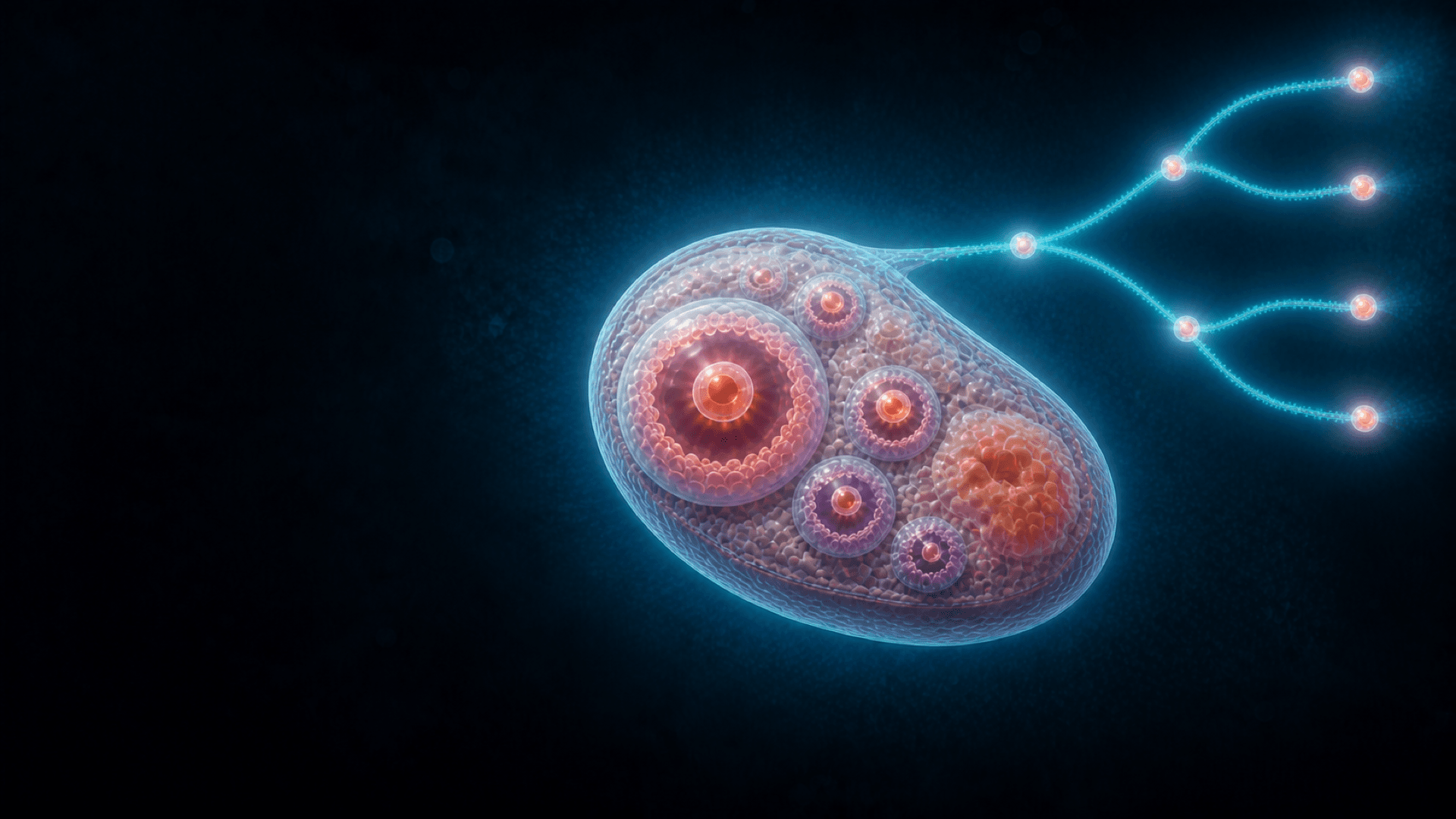
Behind every semen analysis lies a testicle, and behind every testicle lies endocrine regulation. The APHRODITE framework — published in Reproductive Biomedicine Online 2024 — stratifies male infertility into five endocrine phenotypes based on FSH, testosterone and semen, and asks a sharper question: who actually benefits from gonadotropin therapy, and who does not?

Audio: MultiSubtitles: EN · UA · RU27 min
Sandro Esteves
Sandro Esteves
Summer School of Reproductologist 2025 | Science of implantation

Implantation failure | Nick Macklon

Reproductive healthLecture

Why euploid embryos fail to implant?

The failed implantation of a euploid blastocyst is a clinical problem that bridges two schools of thought: «embryo-centric» and «endometrium-centric». The concept of the endometrium as a biosensor explains why, with embryos of average quality, endometrial receptivity and selectivity determine the outcome. A review of current evidence and the clinical grading of RIF (recurrent implantation failure) per the ESHRE 2023 consensus.

Audio: MultiSubtitles: EN · UA · RU40 min

Nick Macklon
Nick Macklon
Summer School of Reproductologist 2025 | Science of implantation

Recurrent implantation failure | Paul Pirtea

Reproductive healthLecture

Recurrent implantation failure, reality or a statistical mirage?

Is recurrent implantation failure a distinct clinical entity — or a statistical artefact created by the absence of a unified definition? Data on cumulative pregnancy and live birth rates across serial euploid embryo transfers, plus consensus algorithms (ESHRE 2023, Lugano 2023) for diagnosis, work-up and management.

Audio: MultiSubtitles: EN · UA · RU31 min

Paul Pirtea
Paul Pirtea
Summer School of Reproductologist 2025 | Science of implantation

Luteal phase support | Elena Labarta

Reproductive healthLecture

Personalized luteal phase support

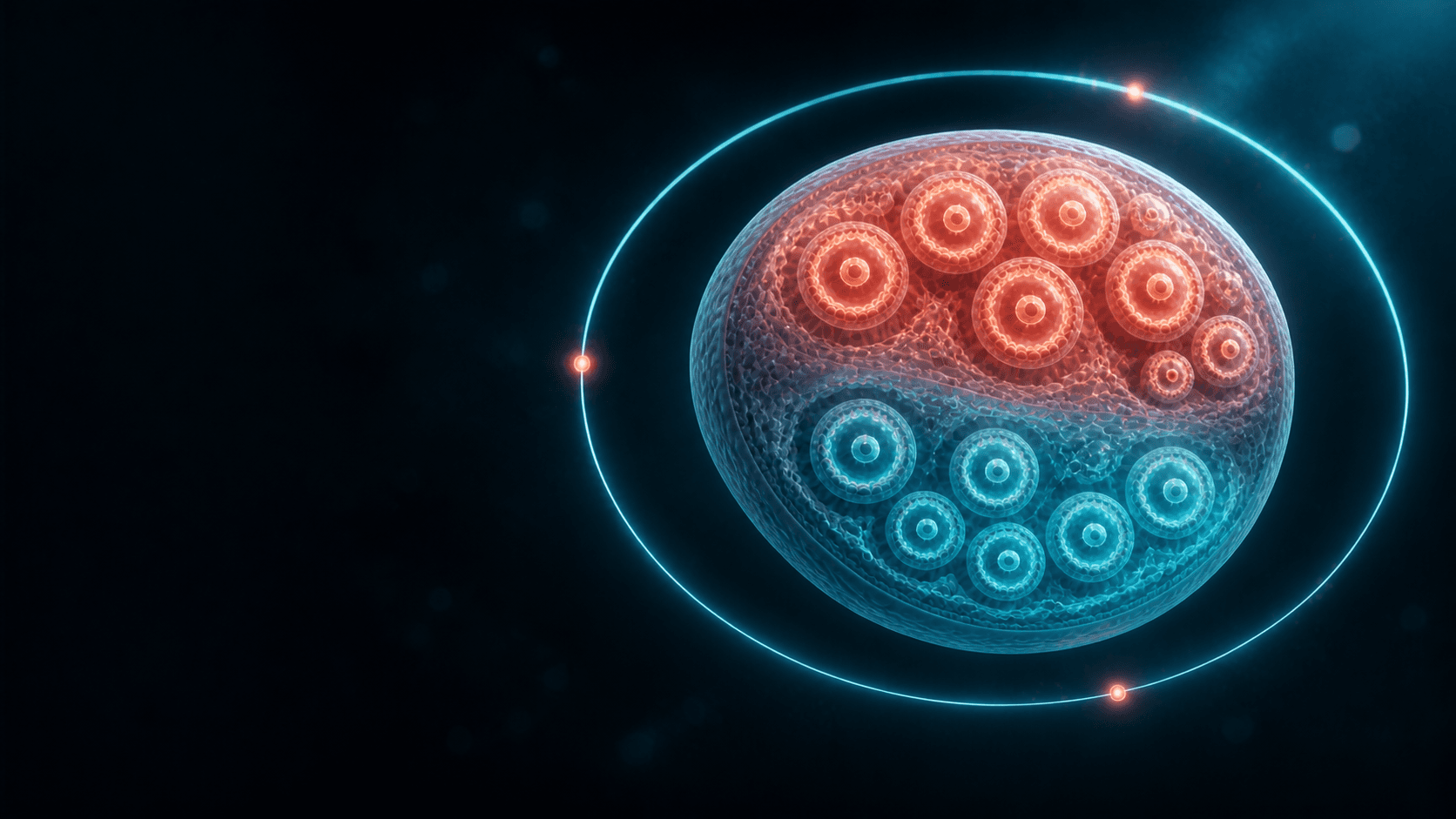
Luteal phase support based on serum progesterone monitoring: why standard vaginal therapy fails to reach the protective level in a subset of patients on the hormone replacement cycle, how to define the threshold value on transfer day, and when a change in the route of administration is indicated. Arguments for moving toward natural and modified natural FET cycles.

Audio: MultiSubtitles: EN · UA · RU27 min
Elena Labarta
Elena Labarta
Summer School of Reproductologist 2025 | Science of implantation

Obesity & reproduction | Christophe Blockeel

Reproductive healthLecture

Overweight, obesity and reproductive outcomes

The impact of overweight and obesity on reproductive outcomes: ovarian response, embryo quality, endometrial receptivity and obstetric consequences. Why BMI alone is insufficient for clinical decisions — and how body composition assessment (bioelectrical impedance, indirect calorimetry, food diary) makes pre-cycle workup truly individualized.

Audio: MultiSubtitles: EN · UA · RU32 min

Christophe Blockeel
Christophe Blockeel
Summer School of Reproductologist 2025 | Science of implantation

Adenomyosis | Carlo Alviggi

Reproductive healthLecture

Adenomyosis and infertility

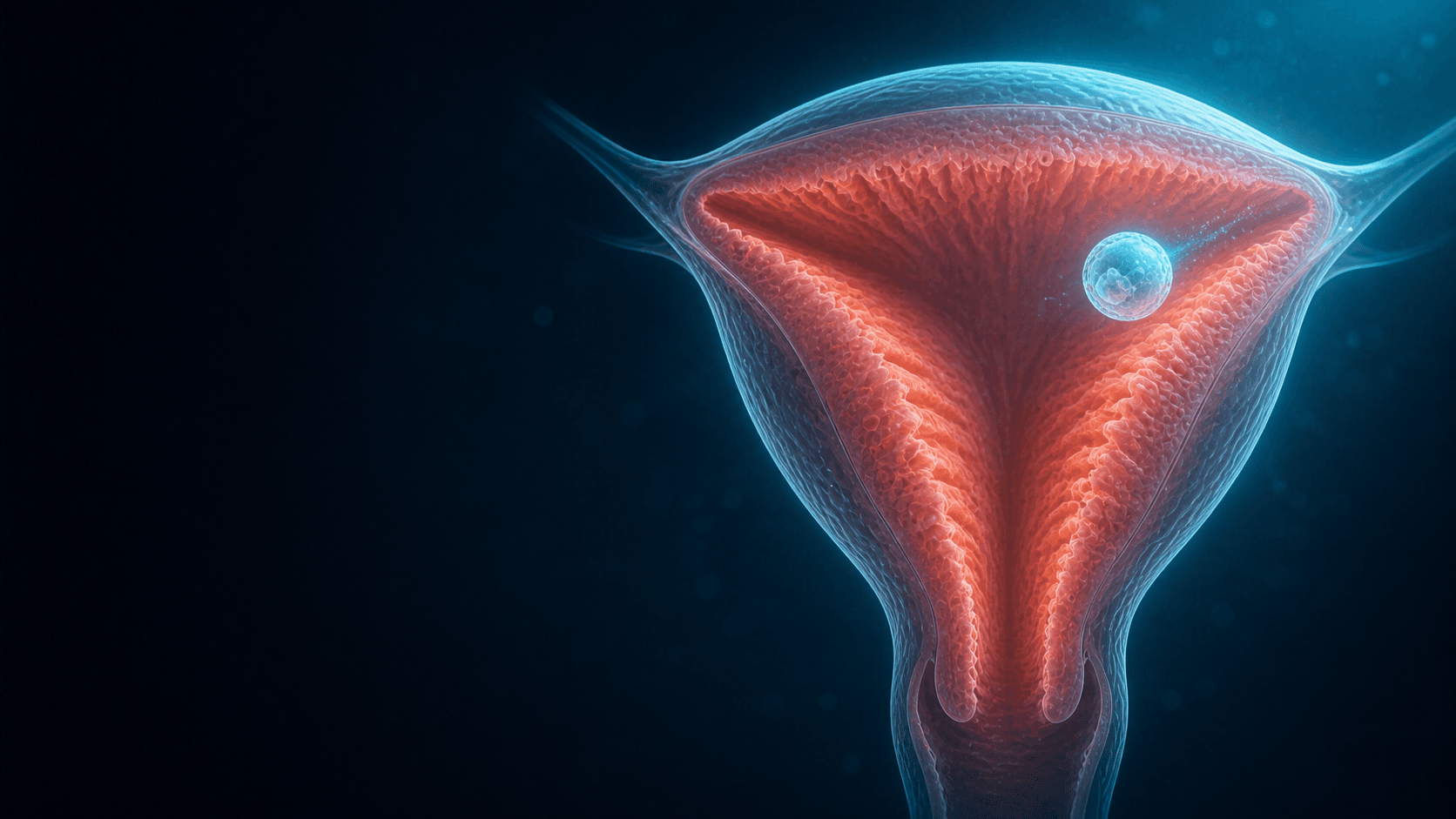
Adenomyosis and infertility: phenotype classification (internal/junctional zone, intermediate, external), current diagnostic approaches (MRI, ultrasound per MUSA criteria, hysteroscopy) and the evidence base regarding impact on ART outcomes. Management algorithm in clinically significant adenomyosis: cycle segmentation, accumulation of euploid blastocysts, GnRH agonist pretreatment before FET, selective hysteroscopic resection.

Audio: MultiSubtitles: EN · UA · RU33 min
Carlo Alviggi
Carlo Alviggi
Summer School of Reproductologist 2025 | Science of implantation

Thin endometrium | Baris Ata

Reproductive healthLecture

Thin endometrium — should embryo transfer be cancelled?

Thin endometrium remains one of the most debated topics in reproductive medicine. Is it justified to cancel transfer at a thickness of <7 mm? Analysis of the evidence base — from classical work of the late 1980s to current multicentre cohorts (~30,000 cycles) — shows that with proper work-up (exclusion of intracavitary pathology and premature progesterone exposure), the live birth rate at thickness <7 mm remains in the 42–47% range.

Audio: MultiSubtitles: EN · UA · RU28 min

Baris Ata
Baris Ata
Summer School of Reproductologist 2024 | Focus on Endometrium

Fresh ET protocol | Peter Humaidan

Reproductive healthLecture

Endometrial preparation for fresh embryo transfer

Why does luteal progesterone matter just as much in fresh cycles as in frozen? A walk-through of trigger choice, mid-luteal cut-offs and rescue strategies for the suboptimal corpus luteum — built on more than 15 years of randomised trials.

Audio: MultiSubtitles: EN · UA · RU36 min

Peter Humaidan
Peter Humaidan
Summer School of Reproductologist 2024 | Focus on Endometrium

Frozen ET protocol | Christophe Blockeel

Reproductive healthLecture

Endometrial preparation for frozen embryo transfer

HRT, modified natural or true natural cycle — which preparation actually delivers the best obstetric outcomes? A practical synthesis of recent data on E2 duration, progesterone route and timing, day-of-transfer monitoring, and the new NPP protocol that may reshape weekend scheduling.

Audio: MultiSubtitles: EN · UA · RU37 min

Christophe Blockeel
Christophe Blockeel